


A clean baseball cap is a minimal, unbranded cap built with premium materials and a tailored crown, not a logo-covered promotional hat. If you want one now, Moreciandco’s Cappellino Baseball Hat covers the core criteria: unstructured build, tonal detailing, and a fit designed around a 9 to 10 cm crown depth. The buying rules behind that choice, including silhouette, materials, and sizing, follow below.
TL;DR:
- Choose a low-profile, unstructured cap with a crown depth of 9 to 10 centimeters for a modern, comfortable fit.
- Prioritize fit placement, ensuring the front sits about one finger’s width above the eyebrows for a sharp appearance.
- Select materials like wool, brushed cotton, or premium cotton blends that signal durability and seasonal appropriateness.
- Verify details such as crown depth, closure type, and material composition before purchasing to avoid common fit and quality issues.
- Focus on construction quality and understated details, as they ensure longevity beyond passing fashion trends.
Table of Contents
- What Silhouette Reads as a Clean Baseball Cap?
- How Should a Baseball Cap Fit?
- What Materials Signal a Premium Minimalist Cap?
- How Do You Style a Clean Baseball Cap?
- What Should You Check Before Buying a Clean Baseball Cap?
- Why Fit and Construction Matter More Than Trend
- Where to Buy a Clean Baseball Cap Built Right
- Sources
What Silhouette Reads as a Clean Baseball Cap?
Silhouette does more work than fabric when it comes to looking put together. A dad cap or unstructured build has a soft, low crown with no buckram stiffener, which lets it sit close to your head instead of standing up stiff like a Little League hat. A five-panel cap removes the center front seam entirely, giving you a smoother face panel with nowhere for a logo to hide. That construction detail is why five-panel caps have become the go-to for brands chasing an understated look. Fitted caps, sized to your exact head measurement rather than adjusted with a strap, produce the cleanest line of the three, but only if you already know your size.
Profile matters just as much as panel count. Here’s how the three break down:
- Low profile: Sits close to the head, reads minimal and modern, works well with tailored or smart-casual outfits.
- Mid-profile: A slight rise at the crown, balances structure and softness, the safest daily-wear choice for most face shapes.
- High profile: More volume up top, leans athletic or streetwear, better suited to gym days than client meetings.
An unstructured dad cap in a low-profile is the most versatile single purchase if you only want to own one cap. A fitted five-panel in a mid-profile is the pick for someone who wants the sharpest look and doesn’t mind a more formal commitment to sizing.
How Should a Baseball Cap Fit?
Fit is where most cap purchases go wrong, and it has nothing to do with style. Placement comes first: the front of the cap should sit about a finger’s width above your eyebrows, not pushed back on your head or pulled low over your eyes. Wear it too high and even a well-made cap looks cheap; wear it right and a $30 cap can look better than a $100 one.
Crown depth is the number that actually determines comfort and shape. Moreciandco builds its caps around a 9 to 10 centimeter crown depth, which keeps the profile low enough to look minimal without pressing uncomfortably on the top of your head. Shallower crowns tend to perch; deeper ones swallow your forehead and undercut the clean look you’re paying for.
If you’re buying:
- Measure your head circumference with a soft tape, wrapping it where a hatband would sit.
- Check whether the product page lists crown depth. If it does not, that’s a gap worth asking about before you buy.
- Choose adjustable (strap or snapback) if you’re between sizes or buying for someone else. Choose fitted only when you have an exact, recent measurement.
- Cross-check against Moreciandco’s fit and sizing guide before finalizing.
Pro Tip: If you’re ordering online and can’t try before you buy, size toward adjustable. A strap closure forgives a measurement that’s off by half a centimeter; a fitted cap does not.
What Materials Signal a Premium Minimalist Cap?
Fabric choice sets the season and the price point, and it’s the fastest way to spot a cap built to last versus one built to sell cheap. Wool and wool blends read cold weather and dress up easily, brushed cotton and corduroy sit in a warm, textured middle ground for fall, and lightweight premium cotton blends carry a cap through spring and summer without looking flimsy.
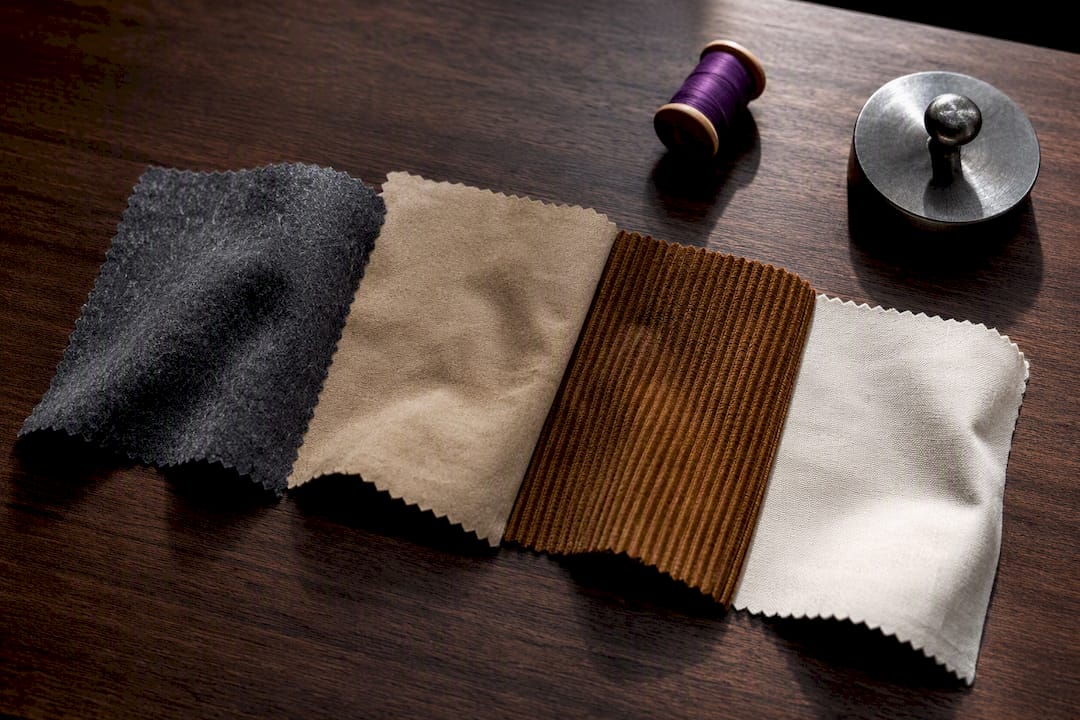
Structure matters underneath the fabric too. A cap with an internal stiffener, or buckram, holds a rounder, more traditional shape. A soft, unstructured crown molds to your head over time and tends to look more relaxed and modern, which is usually the effect a minimalist buyer wants.
Finishing details separate a $25 cap from a $65 one:
- Tonal stitching that matches the shell fabric instead of contrasting thread.
- A hidden or minimal interior label rather than a large printed brand tag.
- A leather or suede strapback closure instead of plastic snap tabs.
- Even, tight stitching along the brim edge with no loose threads.
Obvious contrast stitching, a big printed logo on the crown, or a flimsy plastic adjuster are the reliable red flags that a cap wasn’t built with longevity in mind.
How Do You Style a Clean Baseball Cap?
A minimal cap earns its keep by working across more situations than a logo cap ever could. Three combinations to build around:
- Smart-casual: A wool or brushed-cotton cap in navy or charcoal, paired with a quarter-zip, chinos, and leather sneakers. The tonal cap reads intentional, not athletic.
- Everyday casual: A cotton-blend cap in stone or olive with a plain tee and straight-leg denim. Keep the rest of the outfit simple so the cap doesn’t compete with a busy print.
- Athletic: A structured cotton cap in black or gray with performance layers or joggers. This is the one place a slightly higher profile still looks right.
Stick to a neutral palette (black, navy, gray, stone, olive) and skip anything with a visible embroidered logo bigger than a small tonal mark. Bill shape adjusts the read too: a curved brim looks softer and more youthful, while a flatter brim looks sharper and slightly older, closer to what you’d see on a tailored outfit than a ball field. If you’re not sure which suits your face, a flat, moderate curve splits the difference and works on most head shapes.
What Should You Check Before Buying a Clean Baseball Cap?
Run through this list on any product page before you check out:
- Silhouette named clearly (dad cap, five-panel, fitted) and matched to your intended use.
- Crown depth listed, ideally in the 9 to 10 cm range for a balanced, low profile.
- Material stated plainly, not just “premium cotton” with no blend detail.
- Lining described, since a rough interior will bother you after a few wears.
- Closure type confirmed: strap, snapback, or fitted, and what it’s made from.
- Branding limited to tonal or absent, no loud printed logos.
- A stated return policy, since fit issues are the most common reason caps get sent back.
- Price justified by visible construction detail, not just brand markup.
Questions worth asking a retailer directly: “What is the crown depth?” and “What is the strap or closure material?” Vague answers to either one are a signal to keep looking. A survey on minimalist accessory trends found renewed retail interest in unbranded caps following high-profile media exposure, which tracks with what’s actually stocked at premium retailers now: fewer loud logos, more tonal detail.
If a product page skips crown depth, material blend, and closure type entirely, treat that as a red flag rather than an oversight.
Why Fit and Construction Matter More Than Trend
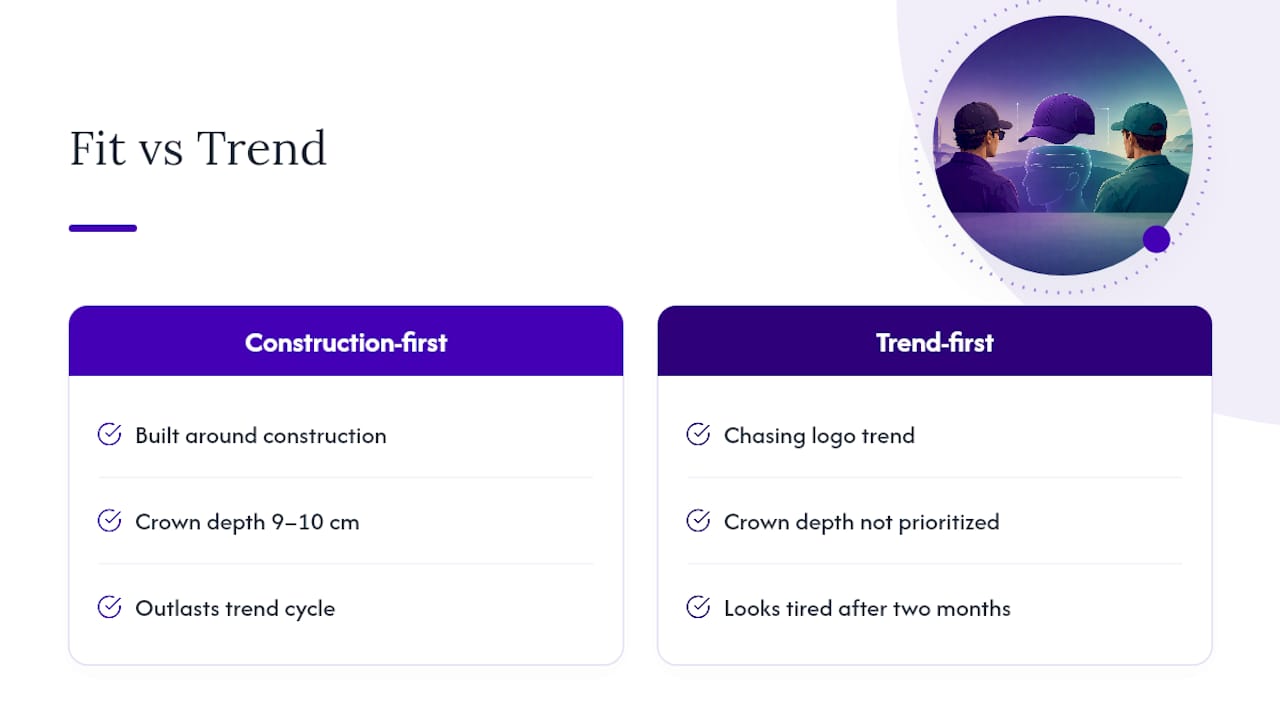
Most guides treat the baseball cap as a fashion accessory first and a piece of engineering second. That’s backward. A cap is worn on your head for hours, in weather, sweat, and sun, and the difference between a cap that ages well and one that looks tired after two months comes down to construction choices most buyers never learn to check: crown depth, stitching quality, closure material.
This cap line was built around that principle rather than around chasing a logo trend. The Cappellino’s crown depth sits in the 9 to 10 cm range specifically because that measurement keeps the silhouette low and modern without sacrificing comfort over a full day of wear. A well-made minimal cap, kept simple in color and detail, tends to outlast the trend cycle that put loud logos on caps in the first place. Buy for the construction, not the moment.
— Giuseppe
Where to Buy a Clean Baseball Cap Built Right
If you’ve read this far, you already know what to look for: low or mid profile, tonal detailing, and a crown depth that actually gets listed on the page instead of guessed at. Moreciandco’s Cappellino Baseball Hat checks each of those boxes: unstructured build, tonal stitching, and a fit designed around the 9 to 10 cm crown depth this guide keeps coming back to.
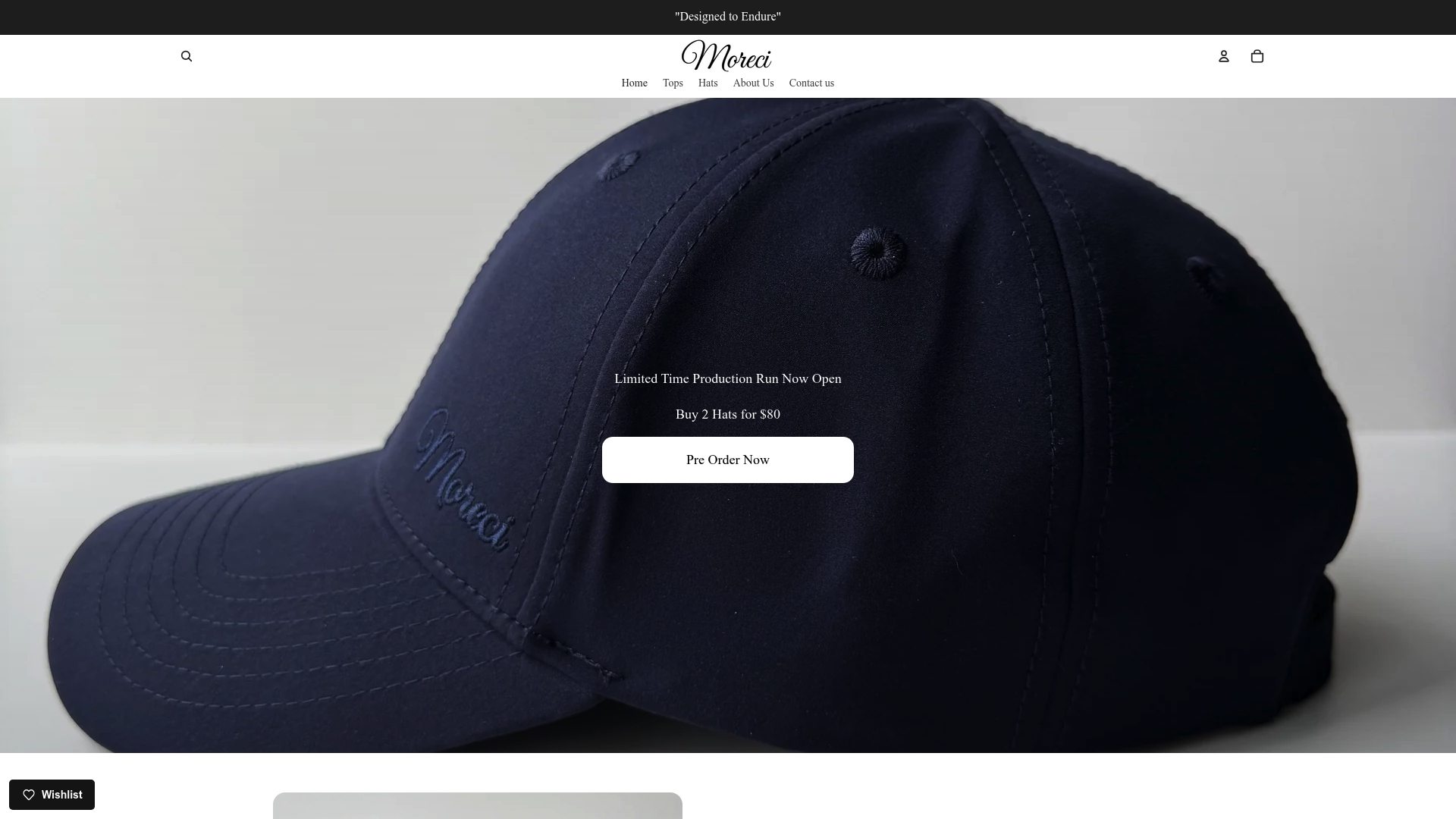
It’s built for the exact wardrobe gaps covered above, smart-casual, everyday, and athletic, without needing a second cap for each. If sizing feels uncertain, check the fit notes before ordering and lean adjustable if you’re between measurements. Browse the full accessories collection and add the Cappellino to your cart when you’re ready to stop settling for logo caps that look dated by next season.
Sources
Silhouette and construction details draw on Hewore’s cap anatomy guide, fit and placement guidance from Hewore’s wearing guide, and market context from The Guardian’s coverage of the shift toward unbranded caps. For measurements, see Moreciandco’s crown depth guide.
- Ball Caps — Anatomy, Types, & How to Wear Them - Hewore
- Baseball caps are back thanks to Succession, but logos are out | The Guardian