


Athletic fit is defined as a shirt cut with extra room in the chest and shoulders that tapers toward the waist, designed specifically for muscular and active body types. Getting this fit right is not a style preference. It directly affects how freely you move, how comfortable you feel, and how well your shirt performs during exercise. This athletic shirt fit guide explained covers every key fit point, from shoulder seam placement to hem length, compares athletic fit against slim and regular cuts, and walks you through choosing the right shirt for your specific workout and body shape. Brands like Cuts Clothing, ComfyThread, and ProWearTrends have built their sizing standards around these exact principles.
What are the key features of a properly fitting athletic shirt?
Shoulder seam alignment is the single most important fit point on any athletic shirt. The seam must sit precisely at the corner of your shoulder bone. If it falls inward, the shirt pulls across the back and restricts arm movement. If it falls outward, the fabric sags and the shirt looks oversized regardless of how well everything else fits.
Sleeve length and taper come next. The ideal sleeve lands at mid-bicep, hugging the arm closely enough to show muscle definition without cutting off circulation. Sleeves that stop too high look aggressive and can feel tight. Sleeves that drop too low hide the arm’s shape and add visual bulk. You should be able to pinch about one inch of fabric at the sleeve opening. More than that means the sleeve is too loose. Less means it will restrict movement.
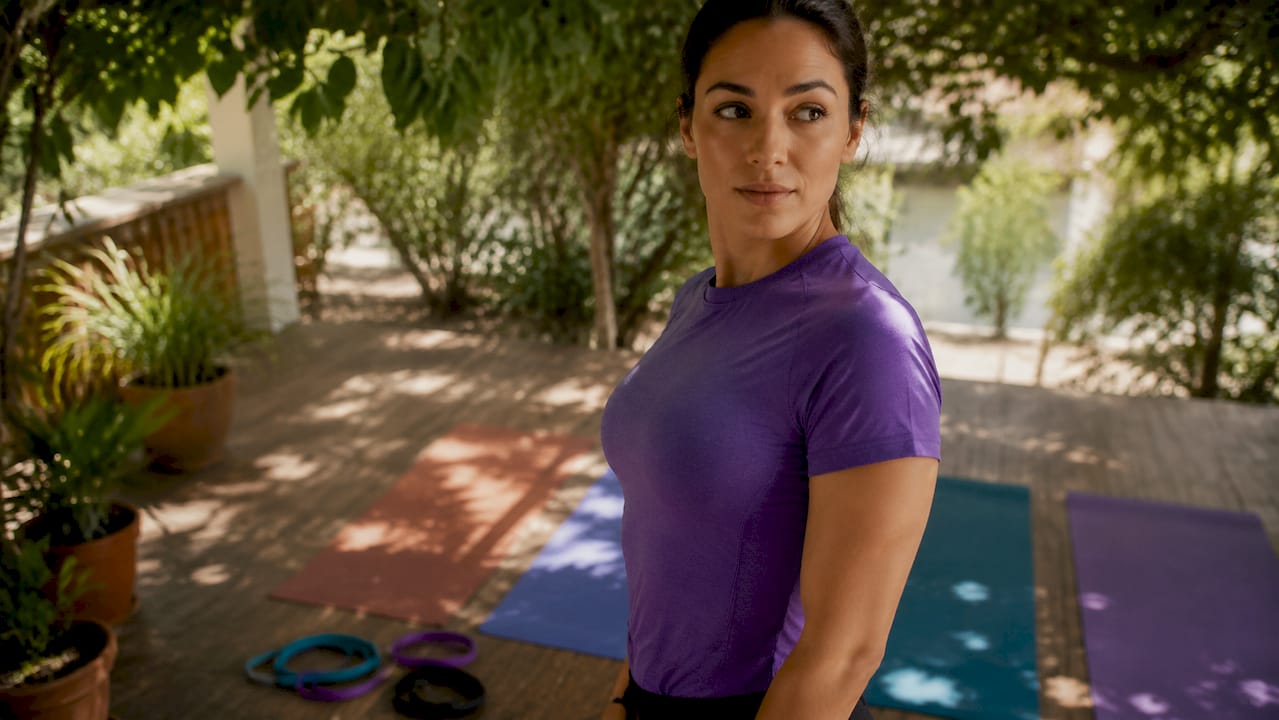
Chest and body fit follow a simple rule: you need ease, not excess. A pinch test at the side seam of the chest should give you 1–2 inches of fabric. At the waist seam, about 1 inch of ease is correct. Too little ease causes pulling and visible stress lines across the chest. Too much ease creates a boxy, shapeless look that defeats the purpose of an athletic cut.
Hem length is the final checkpoint. The shirt’s hem should end about 2 inches below your waistband. Raise both arms fully overhead. If the hem rides up and exposes your abdomen, the shirt is too short or the fabric lacks enough stretch to accommodate your range of motion.
Pro Tip: Run through a quick movement test before buying. Reach overhead, cross your arms across your chest, and simulate a squat. A well-fitting athletic shirt stays in place through all three without bunching, pulling, or riding up.
| Fit Point | What to Check | Pass Condition |
|---|---|---|
| Shoulder seam | Aligns with shoulder bone corner | No sagging or pulling |
| Sleeve length | Ends at mid-bicep | About 1 inch pinch at opening |
| Chest ease | Pinch test at side seam | 1–2 inches of fabric |
| Waist ease | Pinch test at waist seam | About 1 inch of fabric |
| Hem length | Position below waistband | Stays down during full arm raise |
How does athletic fit compare to slim fit and regular fit shirts?
Athletic fit shirts provide more room in the chest and shoulders than slim fit, while tapering more aggressively at the waist than regular fit. This combination creates a clean silhouette that works with a V-shaped or muscular physique without adding bulk or restricting movement. Athletic fit reduces fabric bunching across the back and sides, which is a common problem when muscular builds wear standard cuts.
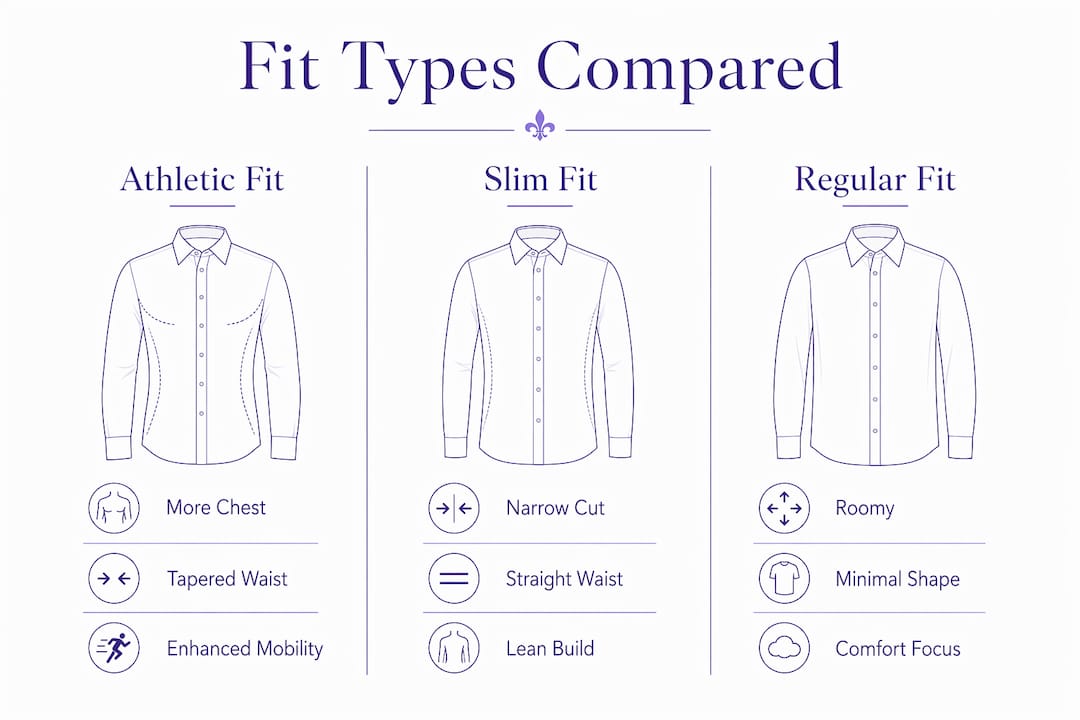
Slim fit shirts are cut narrowly throughout the chest, waist, and sleeves. They work well on lean, straight builds but restrict range of motion on broader or more muscular frames. A slim fit shirt on a developed chest will pull across the front and gap at the buttons, if it has them, or create horizontal stress lines in a pullover style.
Regular fit shirts offer the most room but the least shape. They accommodate a wide range of body types but tend to look baggy on athletic builds. Excess fabric around the torso moves during exercise, catches on equipment, and creates friction. A shirt that needs constant adjustment during a workout is the wrong fit or the wrong fabric weight for that activity.
| Fit Type | Chest and Shoulders | Waist Taper | Best For |
|---|---|---|---|
| Athletic fit | Extra room | Strong taper | Muscular, V-shaped builds |
| Slim fit | Narrow | Moderate taper | Lean, straight builds |
| Regular fit | Relaxed | Little to none | Broader or less defined builds |
Athletic fit shirts also feature lower armholes and back darts that reduce excess fabric while preserving a full range of arm movement. This construction detail separates true athletic fit from shirts that are simply labeled “fitted.”
How do fabric choice and functional features affect athletic shirt fit?
Fabric determines how well a shirt holds its shape during movement. Polyester and spandex blends are the standard for athletic shirts because polyester wicks sweat and dries quickly while spandex adds the stretch needed for a full range of motion. A shirt without stretch will fight your body during compound movements like deadlifts, overhead presses, or sprints.
Moisture management goes beyond comfort. A shirt that absorbs sweat and stays wet adds weight, clings unevenly, and changes how the fabric sits against your body. Quick-dry materials maintain the shirt’s original fit throughout a session. This matters most during high-intensity workouts where sweat output is high and you need the shirt to perform consistently from the first rep to the last.
Mesh panels serve two purposes. They add ventilation in high-heat zones like the underarms and upper back, and they reduce the weight of the fabric in those areas. Lighter fabric in targeted zones means less restriction and less heat buildup without changing the shirt’s overall structure or fit profile.
Seam construction affects both comfort and durability. Flatlock seams lie flat against the skin and eliminate the raised ridge that standard seams create. That ridge causes chafing during repetitive movements, particularly in running and rowing. Reinforced seams at the shoulders and underarms prevent the shirt from losing its shape after repeated washing and heavy use.
Pro Tip: Hold the shirt up to light before buying. If you can see through it easily, the fabric is too thin to hold its shape under load or during intense movement. A slight opacity means the weave is dense enough to maintain structure.
How to select the best athletic shirt fit for your workout type and body shape
Matching your shirt to your workout type is as important as matching it to your body shape. The two factors work together.
-
Running and cardio. Choose a looser athletic fit with mesh panels and a longer hem. Your arms swing forward and back, so sleeve restriction is the main concern. A hem that stays down during a full stride prevents distraction and keeps you focused on pace, not your shirt.
-
Weightlifting. A fitted athletic cut with strong stretch is the right choice. Fitted shirts for lifting prevent fabric from bunching under a barbell or getting caught on equipment. The shirt should move with you through a squat or bench press without riding up or pulling across the back.
-
CrossFit and functional training. You need the widest range of motion. Look for a shirt with four-way stretch fabric, flatlock seams, and a mid-length hem. These workouts combine overhead movements, floor work, and loaded carries, so the shirt must perform across all planes of movement.
-
Team sports. A slightly looser athletic fit works well here. You need room to move laterally and reach in multiple directions. Avoid shirts that are too fitted, as they restrict the kind of explosive, multidirectional movement that team sports demand.
For body shape, the guidance is direct. Muscular builds with a developed chest and shoulders need true athletic fit with extra room at the top and a defined taper. Lean builds can wear slim fit or athletic fit depending on preference. Broader builds without a strong V-taper may find that athletic fit still works well because the taper is subtle enough to add shape without looking constricting.
When testing a shirt before purchase, check shoulder alignment first. Then run the arm-raise test. Then do the pinch test at the chest and waist. If all three pass, the shirt fits. If you are buying online, check the brand’s size chart against your actual chest, shoulder width, and torso length measurements. Generic size labels like “large” vary significantly between brands. Cuts Clothing, for example, sizes specifically for athletic builds and lists chest and shoulder measurements separately from standard sizing.
Layering is a separate consideration. If you plan to wear the shirt under a hoodie or training jacket, size up by one. A shirt that fits perfectly on its own will feel restrictive under a layer during dynamic movement. Moreciandco’s guide on training outfit layering covers this in detail for 2026 fits.
Key takeaways
Athletic shirt fit is determined by shoulder seam alignment, sleeve length, chest ease, and hem position, and each point must pass a movement test before the shirt qualifies as a good fit.
| Point | Details |
|---|---|
| Shoulder seam first | Align the seam with your shoulder bone corner before checking anything else. |
| Use the pinch test | Aim for 1–2 inches at the chest seam and 1 inch at the waist seam. |
| Match fit to workout | Looser fits suit cardio; fitted cuts with stretch work best for lifting. |
| Fabric matters as much as cut | Polyester-spandex blends maintain shape, wick sweat, and allow full movement. |
| Always do the arm-raise test | The hem must stay below the waistband when both arms are raised fully overhead. |
Why I think most people get athletic shirt fit completely wrong
Most people focus on the size label and ignore the actual fit points. I have seen it repeatedly. Someone picks up a large because they always wear a large, tries it on, decides it feels fine standing still, and buys it. Then they get to the gym and spend the entire session pulling the shirt down or adjusting the sleeves.
The arm-raise test is the one check that almost no one does in a fitting room. It takes five seconds and tells you more about a shirt’s fit than any size chart. If the hem rides up when you raise your arms, that shirt will bother you every time you press overhead, reach for a pull-up bar, or throw a punch in a boxing class.
The other mistake I see constantly is confusing slim fit with athletic fit. They are not the same cut. Slim fit is narrow throughout. Athletic fit is wide at the top and tapered at the waist. If you have any muscle development in your chest and shoulders, slim fit will pull across the front and restrict your range of motion within a few months of consistent training.
Fabric is the underrated factor. A shirt can pass every fit test in the store and still fail during a workout if the fabric has no stretch or holds moisture. Polyester-spandex blends are not a luxury feature. They are the baseline for any shirt you plan to train in seriously. Cotton feels comfortable at rest but becomes heavy and misshapen the moment you start sweating.
My advice: treat shirt fit the same way you treat shoe fit. You would not buy running shoes without testing them for comfort and movement. Apply the same standard to your training tops. The performance difference between shirts is real, and the right fit makes training feel cleaner and more focused.
— Giuseppe
Find athletic shirts built to actually fit at Moreciandco
Moreciandco is built on one idea: you should get exactly what you pay for, in quality and in experience. That standard applies directly to athletic shirts. A shirt that fits well, holds its shape, and performs through every workout is not a bonus. It is the baseline.
The Moreci Store carries athletic shirts and sportswear selected for fit quality and fabric performance. Whether you train for strength, speed, or endurance, the collection is built around the fit points covered in this guide. Shoulder seams that sit correctly, stretch fabrics that move with you, and hems that stay in place. Browse the full range and find the shirt that actually fits your build and your workout.
FAQ
What is athletic fit in a shirt?
Athletic fit is a shirt cut with extra room in the chest and shoulders that tapers toward the waist. It is designed for muscular or V-shaped builds and provides more mobility than slim fit while looking cleaner than regular fit.
How should the shoulder seam of an athletic shirt fit?
The shoulder seam should align exactly with the corner of your shoulder bone. A seam that falls inward pulls the shirt and restricts arm movement. A seam that falls outward causes sagging and a sloppy silhouette.
What fabric is best for athletic shirts?
Polyester and spandex blends are the best choice for athletic shirts. Polyester wicks moisture and dries fast, while spandex provides the stretch needed for a full range of motion during training.
How do I know if my athletic shirt fits correctly?
Run three checks: the shoulder seam sits at the bone corner, the pinch test gives 1–2 inches at the chest and 1 inch at the waist, and the hem stays below the waistband during a full arm raise.
Does athletic fit work for all workout types?
Athletic fit works across most workouts, but the tightness level should match the activity. Looser athletic cuts suit cardio and team sports, while a more fitted athletic cut with strong stretch is better for weightlifting and functional training.