


For an effective cardio session, you need a moisture-wicking top, the right shoes, a refillable water bottle, a small towel, headphones, a heart-rate tracker, and one machine-appropriate accessory. That’s the short version. Everything below explains how to pick each item well, so you’re not guessing at the store or showing up underprepared.
Your cardio session checklist:
- Moisture-wicking top (breathable fabric, athletic fit)
- Supportive shoes matched to your primary activity
- Refillable water bottle (at least 20 oz for indoor sessions; more for outdoor)
- Electrolyte mix or tabs for sessions over 45 minutes
- Compact microfiber towel
- Sweat-resistant headphones
- Heart-rate monitor or fitness tracker
- Sports bra (for appropriate support level)
- Gym lock, phone, and a small hygiene kit
For low-impact or travel sessions, you can cut this to shoes, a good top, and a water bottle. Everything else is a performance upgrade, not a requirement.
Key Takeaways
The single most important rule for cardio gear: match every item to your primary activity first, then upgrade for durability and fit.
| Point | Details |
|---|---|
| Shoes come first | Match running shoes to forward cardio; cross-trainers to HIIT or mixed gym work. |
| Fabric over features | Moisture-wicking, breathable materials (bamboo-cotton, polyester blends) outperform cotton in every cardio format. |
| Hit the weekly target | The AHA recommends 150 minutes moderate or 75 minutes vigorous aerobic activity per week. |
| Track your heart rate | A monitor or smartwatch helps you stay in Zone 2 (60–70% max HR) for aerobic adaptation. |
| Moreciandco for premium basics | The Complesso Tee and Cappellino Hat are built for durability and fit, not just first impressions. |
Table of Contents
- What should you wear for a cardio workout?
- How do you pick the right shoes for cardio?
- What should you bring for hydration and recovery?
- Which tech is actually worth carrying for cardio?
- What small accessories make a cardio session smoother?
- Which cardio machine should you use?
- How long and how hard should your cardio sessions be?
- Your 60-second precheck before every session
- Why gear that lasts beats gear that impresses
- Premium cardio basics from Moreciandco
- Sources
What should you wear for a cardio workout?
Prioritize moisture-wicking, breathable fabrics and a fit that moves with you. That single rule eliminates most bad purchases before you make them. Cotton holds sweat against your skin and gets heavy fast. Polyester blends, bamboo-cotton, and nylon move moisture away from the body and dry quickly, which keeps you cooler and reduces chafing on longer sessions.

Choosing workout clothes by activity type matters more than most people realize. A loose shirt that works fine on a stationary bike becomes a wind-catching annoyance on a treadmill. An athletic fit, not compression-tight but not baggy, is the practical middle ground for most cardio formats.
Sports bra support levels follow a simple rule: low-impact (yoga, walking) needs light support; moderate-impact (cycling, elliptical) needs medium; high-impact (running, HIIT) needs maximum support with a racerback or encapsulation design. Getting this wrong is the most common apparel mistake women make, and it affects both comfort and long-term tissue health.
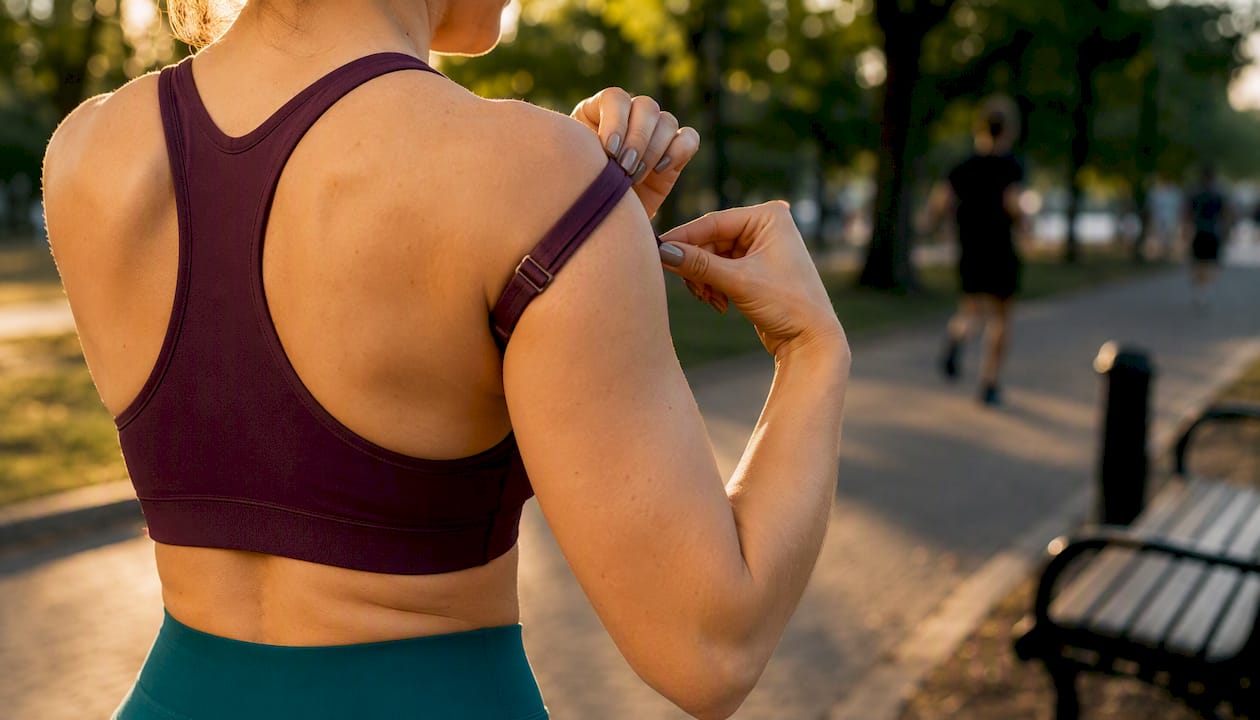
Layering for outdoor vs. indoor cardio
Indoors, one layer is almost always enough. Outdoors, the standard approach is three: a moisture-wicking base layer, a light insulating mid-layer for cold starts, and a wind or rain shell you can tie around your waist once you warm up. For a full breakdown of how to build that system, the outdoor cardio layering guide covers temperature ranges and fabric choices in detail.
Pro Tip: Wash performance fabrics inside-out in cold water and skip the fabric softener. Softener coats the fibers and kills moisture-wicking performance within a few washes.
Two pieces worth calling out specifically:
- Complesso Tee by Moreciandco: A bamboo-cotton blend that stays breathable across a full session. The fabric manages moisture without the synthetic smell that plagues cheaper gym tees, and the athletic cut doesn’t bunch under a pack strap or ride up during movement.
- Cappellino Baseball Hat by Moreciandco: A minimal, unbranded cap with a tailored fit that works for outdoor runs, post-workout errands, or sun protection during trail cardio. No logos, no bulk, just a clean fit that stays put.
For readers building a small, high-utility wardrobe around these pieces, the versatile sports wardrobe guide is a practical next step.
How do you pick the right shoes for cardio?
The decision is simpler than shoe marketing makes it sound: running shoes for forward, high-impact cardio; cross-trainers for mixed cardio, HIIT, and gym-floor work. Using a running shoe for lateral drills puts you at risk for ankle rolls. Using a flat cross-trainer for a 5-mile run puts you at risk for knee pain. Match the shoe to the primary movement pattern.
When trying shoes, check these four things in motion, not just standing:
- Heel lockdown: No slipping at the back when you jog in place
- Toe box space: About a thumb’s width between your longest toe and the front
- Midfoot fit: Snug but not pinching across the arch
- Outsole grip: Enough traction for your surface (rubber lugs for trails, flat rubber for gym floors)
Advanced features that actually matter:
- Cushioning and drop: Higher heel-to-toe drop (8–12mm) suits heel strikers; lower drop (0–4mm) suits midfoot strikers but requires a gradual transition
- Stability features: Worth considering if you overpronate; a gait analysis at a running specialty store takes about 10 minutes and saves you months of knee trouble
- Outsole durability: Look for carbon rubber in high-wear zones if you log serious mileage
Replace running shoes every 300–500 miles. The midsole compresses and loses shock absorption well before the upper shows visible wear. Pair your shoes with moisture-wicking performance socks that have cushioned heels and arch compression. Thin, seamless socks prevent blisters better than thick cotton ones.
Pro Tip: Buy shoes in the afternoon when your feet are slightly swollen from daily activity. That’s closer to how they’ll feel mid-run than a morning fitting.
What should you bring for hydration and recovery?
Bring a refillable water bottle and an electrolyte option for any session over 45 minutes or any session in high heat. For a standard 30-minute indoor session, water alone is fine. For anything longer, or if you’re a heavy sweater, plain water doesn’t replace the sodium and potassium your muscles need to keep contracting efficiently.
What to pack:
- Water bottle: At least 20 oz for indoor sessions; 32 oz or more for outdoor runs over 45 minutes. Insulated stainless steel keeps water cold; lightweight plastic or soft flasks work for running packs.
- Electrolyte tabs or powder: Single-serving packets (brands like Nuun or LMNT) fit in any gym bag pocket and dissolve in seconds. Simple electrolyte mixes are typically sufficient for most gym sessions.
- Quick recovery snack: A protein bar or a banana with a handful of nuts covers the post-workout window. Aim to eat within 30–60 minutes of finishing to support muscle repair.
- Microfiber towel: Dries faster than cotton, takes up less space, and doesn’t leave lint on equipment.
- Antibacterial wipes: For wiping down machines before and after use, and for a quick hand clean when a sink isn’t nearby.
Gear maintenance note: Rinse your water bottle daily and run it through a dishwasher or use a bottle brush with soap weekly. Microfiber towels should be washed after every session in warm water without fabric softener, which degrades the fibers over time.
Which tech is actually worth carrying for cardio?
Invest in a heart-rate monitor or smartwatch if you train by zones. Otherwise, a basic fitness tracker is enough.
What to look for:
- Heart-rate monitors: Chest straps (like Polar H10) give the most accurate readings during high-intensity work. Wrist-based optical sensors on smartwatches (Garmin, Apple Watch, Fitbit) are accurate enough for steady-state cardio but can lag during rapid intensity changes.
- Headphones: Prioritize a secure fit and IPX4 sweat resistance or better over sound quality. Bone conduction headphones (Shokz) are worth considering for outdoor runs where situational awareness matters.
- Key metrics to track: Heart rate, session duration, distance (for running/cycling), and cadence. Everything else is optional noise for most cardio goals.
The American Heart Association recommends at least 150 minutes of moderate or 75 minutes of vigorous aerobic activity per week. A tracker that logs your weekly totals makes it easy to see whether you’re actually hitting that target, which most people overestimate without data.
Practical selection tips:
- Battery life of 7+ hours covers most training weeks without daily charging
- Strap-based monitors are more accurate for HIIT; wrist-based is more convenient for steady-state
- Avoid trackers that require a constant phone connection if you run without your phone
Pro Tip: Set your tracker to alert you when heart rate exceeds your target zone ceiling. That single feature prevents the common mistake of turning every “easy” run into a hard one.
What small accessories make a cardio session smoother?
The items that save a session are rarely the ones you planned for. A broken lace, a dead phone, or a forgotten hair tie can cut a workout short faster than fatigue.
Pack these:
- Gym lock: Required at most facilities for locker use; a combination lock means no lost key.
- Spare shoelaces: One pair, flat-folded in a side pocket. You’ll use them once every two years and be grateful every time.
- Phone and portable charger: A slim 5,000mAh power bank adds almost no weight and covers a dead tracker or phone mid-session.
- Hair ties and headband: For anyone with hair long enough to interfere with movement.
- Small first-aid kit: Blister bandages, a few adhesive strips, and athletic tape. Blisters end runs; tape prevents them.
- Deodorant stick: Travel size, for post-workout before you leave the facility.
Gym bag checklist: Look for a bag with at least two compartments (one ventilated or mesh for shoes and wet gear), a water bottle pocket on the side, and durable zippers. A 20–30 liter capacity covers most gym sessions without being oversized.
Which cardio machine should you use?
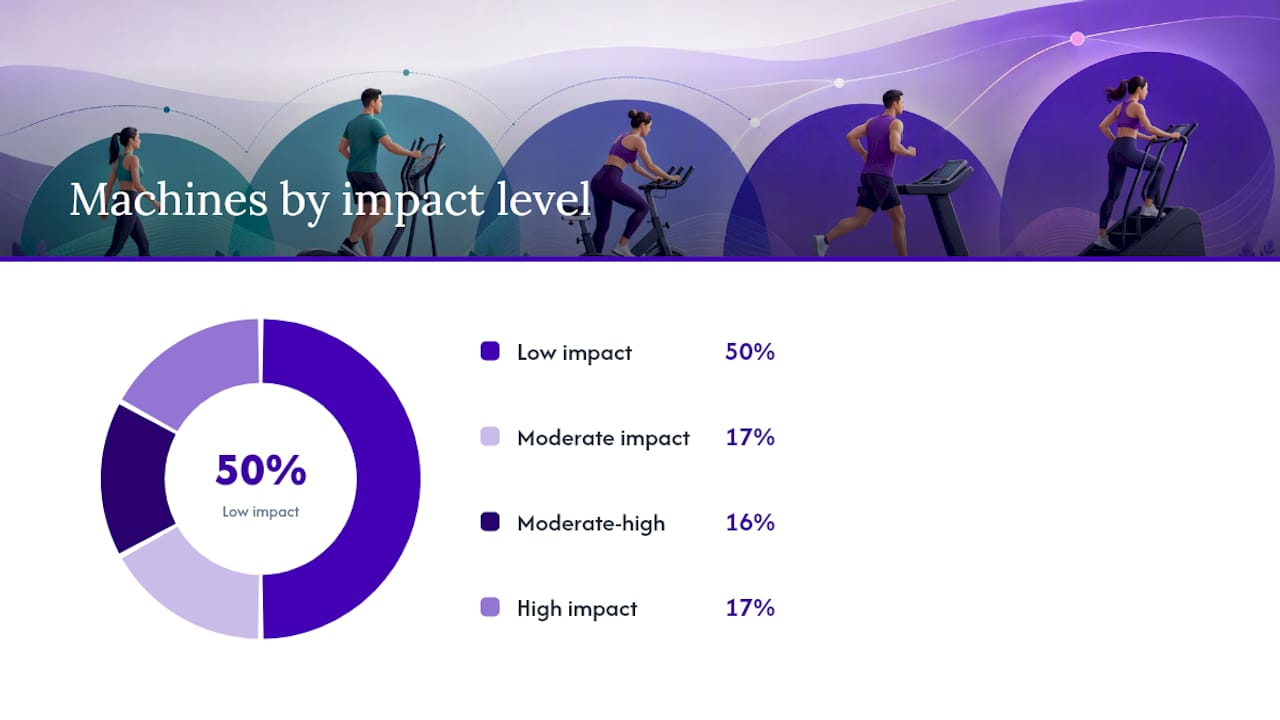
Pick by impact tolerance and training goal. That’s the honest answer. The ACE Physical Therapy Institute notes that treadmills provide bone-loading impact that supports bone density but increase joint forces, while ellipticals and rowers offer low-impact alternatives. If you start with pain, consult a physical therapist before choosing a machine.
| Machine | Impact Level | Primary Muscles | Best For |
|---|---|---|---|
| Treadmill | High | Legs, glutes, core | Runners, bone health, calorie burn |
| Stationary bike | Low | Quads, hamstrings, glutes | Joint concerns, rehab, endurance |
| Rower | Low | Full body (legs 60%, arms/back 40%) | Full-body conditioning, low-impact |
| Elliptical | Low | Legs, glutes, arms | Joint protection, cross-training |
| Stair climber | Moderate | Glutes, quads, calves | Glute development, cardio endurance |
| Fan/assault bike | Moderate-high | Full body | HIIT, conditioning, calorie burn |
The Concept2 RowErg is the standard rower in most commercial gyms and is widely used for both training and fitness testing across ability levels. It’s a strong choice if you want low-impact, full-body cardio without the monotony of a bike.
Certified trainers consistently note that the best cardio machine is the one you’ll actually use. A marginally superior machine you dread is less effective than a good-enough machine you show up for consistently. For people with joint concerns, bikes and rowers are generally preferable to treadmill running.
Pro Tip: If you’re recovering from a lower-body injury or have chronic knee pain, ask a physical therapist to assess your gait before returning to the treadmill. A short consultation can prevent months of setbacks.
How long and how hard should your cardio sessions be?
The American Heart Association advises at least 150 minutes of moderate or 75 minutes of vigorous aerobic activity per week for adults. In practice, that’s five 30-minute moderate sessions, three 25-minute vigorous sessions, or any combination that adds up to the equivalent.
Session structure by goal:
- Fat loss and aerobic base: 30–45 minutes at 60–70% of max heart rate (Zone 2). Conversational pace. This is where most aerobic adaptation and fat oxidation occur.
- Cardiovascular fitness: 20–30 minutes of HIIT (work-to-rest ratios like 30 seconds on, 30 seconds off) two to three times per week, with at least one full rest day between sessions.
- General health: Even three 10-minute walks per day count toward the weekly target and are a legitimate starting point.
Estimate max heart rate as 220 minus your age. Do not exceed that ceiling without medical supervision, particularly if you’re new to exercise or have a cardiovascular history. Pain, dizziness, chest tightness, or shortness of breath that feels disproportionate to effort are signals to stop and consult a physician.
Combining aerobic exercise with strength training improves overall health outcomes beyond what cardio alone delivers. Two strength sessions per week alongside your cardio work supports muscle mass and metabolic rate. The National Institute on Aging also notes that balance and flexibility work rounds out a complete fitness program.
Your 60-second precheck before every session
Run through this before you leave:
Put on first:
- Socks and shoes (laced and locked)
- Sports bra or base layer
- Moisture-wicking top
- Hat if heading outdoors
Pack in order:
- Water bottle (pre-filled)
- Electrolyte tabs (if session is over 45 minutes)
- Headphones (charged)
- Tracker or watch (charged)
- Towel, lock, phone, hygiene kit
Two setup steps the night before:
- Charge your tracker and headphones
- Fill and refrigerate your water bottle
Minimal outdoor or travel pack: Shoes, moisture-wicking top, water bottle, phone with a tracking app, and a credit card. That is a complete session.
Why gear that lasts beats gear that impresses
Most cardio gear advice focuses on features. More cushioning, more sensors, more pockets. What actually matters over time is fit and durability, and those two things are harder to photograph than a spec sheet.
A shirt that fits your shoulders correctly and doesn’t ride up during a run is worth more than one with a flashy moisture-wicking claim that falls apart after 20 washes. The same logic applies to shoes: a well-fitted pair from a reputable last beats a trend shoe that puts your foot in the wrong position. Gear that fits well gets used. Gear that doesn’t, doesn’t.
Moreciandco’s approach to apparel, particularly the bamboo-cotton construction in the Complesso Tee, reflects this directly. The fabric blend is chosen for longevity and feel, not for a marketing bullet point. Durability and easy-care fabrics extend apparel life and reduce long-term cost-per-use, which is the practical buying rule for anyone who wants to stop replacing gym clothes every season.
The same principle applies to footwear and tech. Buy fewer things, buy them right, and replace them on a schedule (shoes at 300–500 miles, trackers when accuracy degrades) rather than chasing the newest release.
Premium cardio basics from Moreciandco
If you want apparel that holds up through real training without looking like a billboard, the Complesso Tee and Cappellino Baseball Hat are the two pieces from Moreciandco worth adding to your cardio kit.
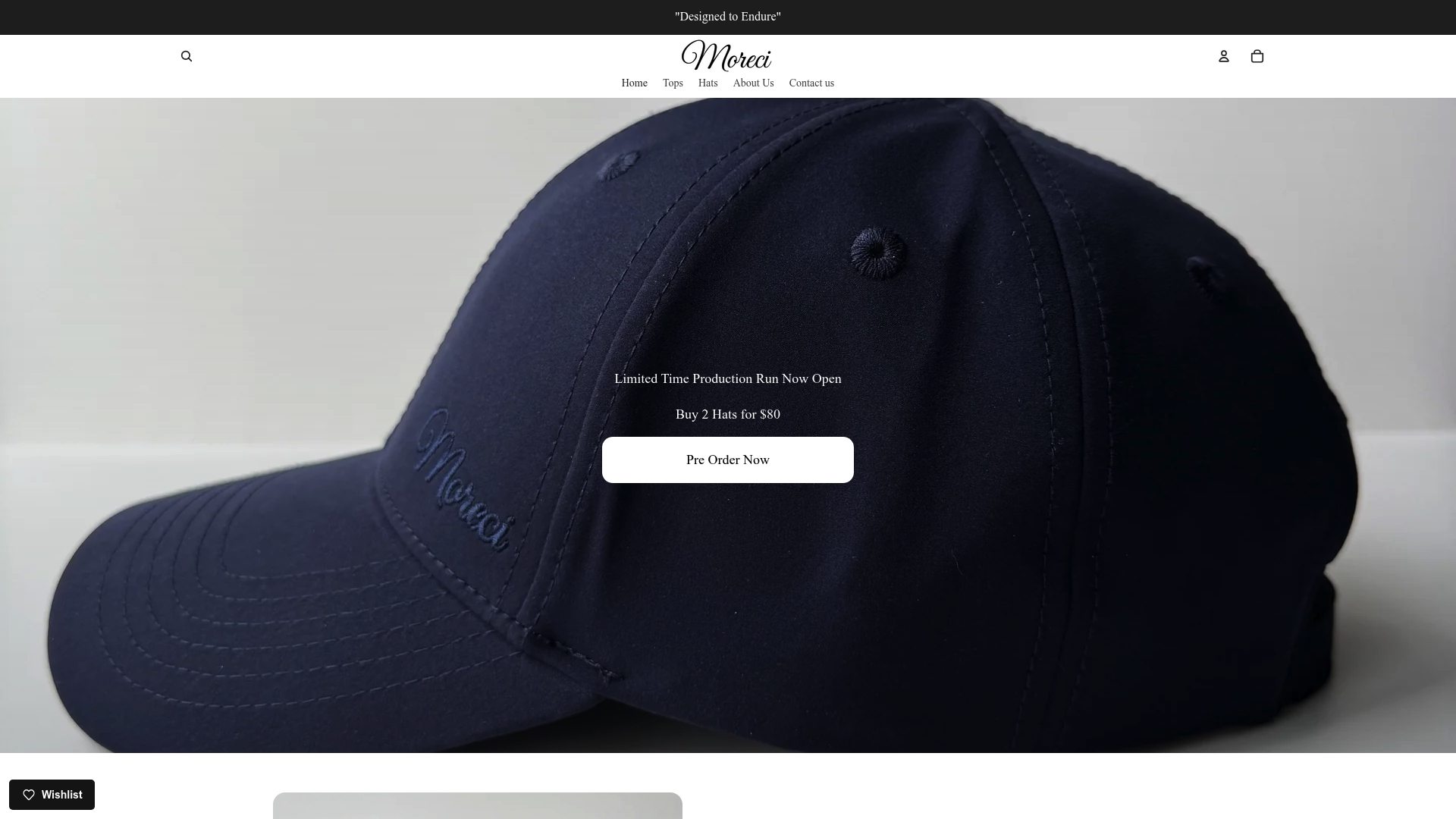
The Complesso Tee’s bamboo-cotton blend breathes during high-output sessions and doesn’t develop the persistent synthetic odor that cheaper performance fabrics do. The athletic cut stays in place through full range of motion, which matters more than most people expect until they’ve worn a shirt that doesn’t. The Cappellino is a minimal, tailored-fit cap that works for outdoor runs, sun protection, and post-workout wear without the bulk or branding of typical athletic headwear.
Both pieces are built to the standard Moreciandco applies across its line: materials and construction that justify the price over years of use, not just the first few wears. Browse the full Complesso collection to find your fit, or visit Moreciandco to see the complete range of premium basics.
Sources
These are the primary references behind the recommendations in this article:
- Strength training: How to get started
- AHA recommendations for physical activity in adults
- ACE PT pros and cons of cardio equipment
- The Best Cardio Machines
- What to wear to the gym: 5 outfit essentials
- Concept2 RowErg rowing machine
This article is general information, not a substitute for advice from a qualified doctor. Consult a qualified healthcare professional about your own circumstances before acting on anything here.