


Nine signs reliably separate premium fabric from a garment that will disappoint you by the third wash. Run through this list in the store or while zooming product photos online.
The 9 quick signs of high-quality fabric:
- Weight and drape: The garment hangs with authority. Thin fabric waves, bunches, or clings awkwardly in photos.
- Hand/finish: Smooth, slightly cool to the touch for wovens; dense and springy for knits. Scratchy or papery feel is a fail.
- Weave density: Hold the fabric to light. A tight, even weave blocks most light. Visible gaps or uneven yarn spacing signal low thread count or poor construction.
- Stretch and recovery: Gently pull a knit and release. It should snap back fully within a second.
- Seams and stitching: Straight, tight, and even. Look for 10–12 stitches per inch on wovens and bar tacks at stress points.
- Buttonholes and hardware: Clean, tight stitching around each buttonhole. Buttons should have a small thread shank underneath, not sit flush against the fabric.
- Lining and interfacing: A quality shirt collar or jacket lapel holds its shape without stiffening. Fused interfacing that bubbles is a red flag.
- Fiber content: Look for long-staple cotton (Pima, Egyptian), silk at 16–19 momme or higher, or a well-balanced bamboo-cotton blend. Avoid vague “polyester blend” labels with no percentages.
- Smell: No sharp chemical odor. A strong formaldehyde-like smell suggests heavy finishing treatments that often mask poor base fabric.
Pick up the garment or zoom those product photos and run through these nine points now. The rest of this guide explains why each one matters and how to test it fast.
Key Takeaways
The most reliable way to judge fabric quality is to check drape, seam construction, fiber content, and finish before you buy, not after.
| Point | Details |
|---|---|
| Drape and weight first | Fabric that hangs cleanly in photos and in person signals proper GSM and fiber quality. |
| SPI is measurable | Target 10–12 SPI on wovens and 8–10 SPI on knits; bar tacks at stress points confirm quality construction. |
| Read the label numbers | GSM, fiber percentages, and momme (16–19 for silk shirts) give you verifiable quality data. |
| Certifications add confidence | OEKO-TEX and GOTS certifications confirm chemical safety and responsible fiber sourcing. |
| Moreciandco publishes specs | The Complesso Collection lists fiber content and construction details so you can verify quality before purchasing. |
Table of Contents
- Why these fabric signs matter when buying premium apparel
- The detailed checklist: what each sign looks like and how to test it
- How to run 60-second tests in the store or at home
- How to read labels and numbers: GSM, momme, fiber percentages, and certifications
- Red flags that tell you to put the garment back
- How price correlates with fabric quality, and when it does not
- About the author and Moreciandco: why trust this checklist
- A Moreciandco perspective on shopping with confidence
- Moreciandco fabrics that meet the checklist
- Sources
Why these fabric signs matter when buying premium apparel
Fabric quality is not an abstract virtue. Every sign on that checklist maps directly to something you will feel or see within months of wearing the garment.
Weight and drape affect silhouette. A shirt that hangs cleanly on the hanger will hold its shape on your shoulders. One that waves and creases in studio product photos will do the same on your body. Weave density and fiber quality determine how long the surface stays clean-looking. Short-staple fibers and loose yarn twist produce pilling within a few washes. Seam construction determines whether the garment survives repeated stress at the shoulders, cuffs, and seat.
Checking these signs pays off in four concrete ways:
- Fewer replacements: quality construction and fiber hold up through hundreds of wash cycles.
- Better silhouette: proper weight and drape maintain the intended fit over time.
- Less pilling: long-staple fibers and tight yarn twist resist surface fuzz.
- Reliable color: dense weaves and quality dye processes retain color wash after wash.
The checklist is not about being picky. It is about spending money once on something that lasts, rather than twice on something that does not.
The detailed checklist: what each sign looks like and how to test it
Weight and drape
A quality woven shirt or trouser fabric falls in clean, controlled folds. In product photos, watch for persistent creasing or waviness around seams, which reflect insufficient weight and poor drape. In person, drape the fabric over your hand. It should fall smoothly, not float or cling.
Pass: Fabric falls in a clean arc. Fail: It floats, sticks, or collapses.
Hand and finish
Run the back of your fingers across the fabric. Quality wovens feel smooth and slightly cool. Quality knits feel dense and springy. Scratchy, rough, or papery textures usually mean short-staple fibers or a heavy chemical finish applied to disguise them.
Weave density and translucency
Hold the fabric up to a light source. A well-constructed woven should block most of the light with an even, consistent pattern. Visible gaps, uneven spacing, or a mesh-like appearance under light signal low thread count.
Stretch and recovery
For knits, gently pull a small section and release. Quality fabric snaps back within a second. A knit that stays stretched or recovers slowly has lost its structural integrity, often from low spandex content or poor yarn construction. Skip this test on linen and raw denim, where stretch is not the performance measure.
Seams and stitching
For wovens, target 10–12 stitches per inch; for knits, 8–10 SPI. Run your thumbnail along a seam. It should feel tight and even with no puckering. Look for bar tacks at pocket corners and cuff stress points, and flat-felled seams on dress shirts and quality jeans.
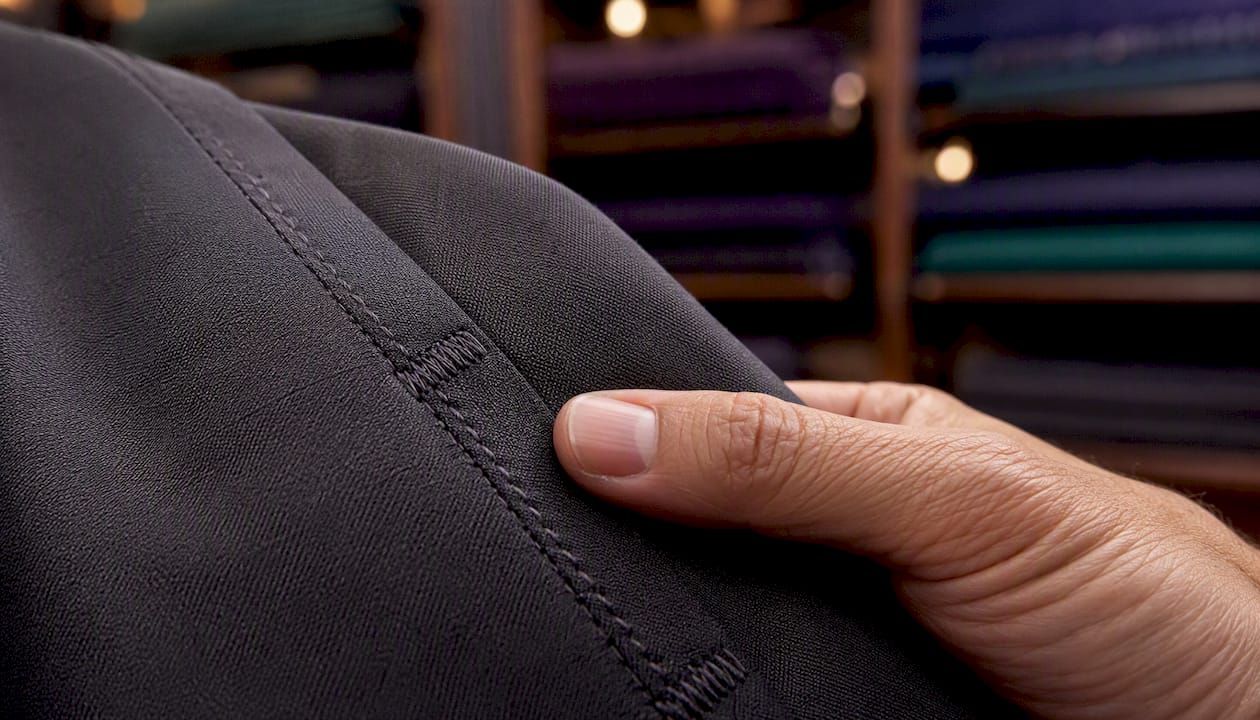
Pass: Even tension, no gaps, bar tacks visible. Fail: Loose loops, puckering, or seams that shift under light pressure.
Buttonholes and hardware
Each buttonhole should have dense, tight stitching with no fraying at the ends. Buttons should sit on a small thread shank, not flush against the fabric. A button sewn flush will tear the fabric when the buttonhole is stressed. Test zippers by running them the full length: they should glide without catching or skipping.
Pro Tip: Flip a shirt inside out and look at the collar stand. If the interfacing is fused and already showing bubbles on a new garment, it will delaminate after a few washes. A sewn-in interfacing or a clean fused bond with no bubbles is the mark of a well-built collar.
Lining and interfacing
Quality jacket linings use cupro or Bemberg, which breathe and drape well. Cheap acetate linings feel slippery and generate static. Press the lapel between your fingers: it should have a soft, resilient body, not feel stiff or cardboard-like.
Fiber quality
Check the label for named long-staple cottons (Pima, Egyptian) or silk rated at 16–19 momme or higher for shirts and dresses. A bamboo-cotton blend with a clear percentage breakdown is a legitimate performance choice. Vague “polyester blend” with no percentages is a warning sign.
Smell
A faint, clean smell or no smell at all is normal. A sharp chemical odor often indicates formaldehyde-based wrinkle-resist treatments or other heavy finishes. These can fade, but they frequently signal that the base fabric needed chemical help to pass inspection.
How to run 60-second tests in the store or at home
Three quick tests reveal most of what you need to know about fabric behavior:
- Crumple test: Hold a section of the fabric in your fist for five seconds, then release. Quality fabric with good twist density springs back with minimal creasing. Deep, persistent wrinkles signal low twist or poor finishing.
- Light/transmission test: Hold the fabric up to a window or lamp. A tight, even weave blocks light consistently. Thin spots, uneven yarn distribution, or a near-transparent appearance under light indicate low density.
- Stretch and release: For knits only, pull gently and let go. The fabric should recover to its original dimensions within a second or two.
A note on destructive tests: Burning a thread to identify fiber content is sometimes mentioned in older fabric guides. Skip it in a retail environment entirely. It is a fire hazard, it damages merchandise, and modern blends produce ambiguous results anyway. If fiber content matters that much, read the label or ask for documentation.
How to read labels and numbers: GSM, momme, fiber percentages, and certifications
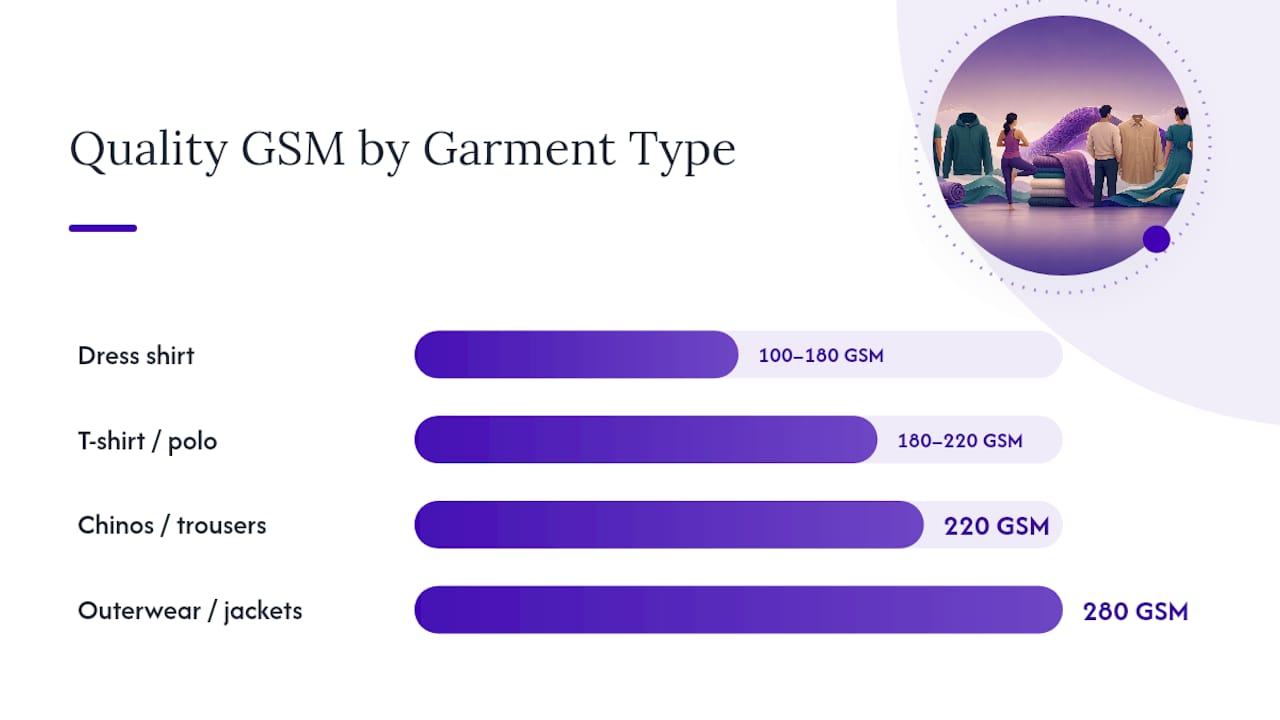
GSM (grams per square meter) measures fabric weight, but heavier is not automatically better. A 180 GSM cotton tee in a tight jersey knit outperforms a 220 GSM tee in a loose, low-twist construction. Read GSM alongside fiber type and finish.
Typical GSM ranges for men’s garments:
| Garment type | Quality GSM range | Notes |
|---|---|---|
| T-shirt / polo | 180–220 GSM | Below 180 GSM tends to feel thin and transparent |
| Dress shirt | 100–180 GSM | Lightweight is correct here; density comes from tight weave |
| Chinos / trousers | 220 GSM | Heavier for structure; lighter for warm-weather wear |
| Outerwear / jackets | 280 GSM | Weight varies widely by insulation and shell construction |
For silk, momme is the measure. Shirts and dress pieces should be 16–19 momme at minimum for durability and opacity. Below 12 momme is scarf-weight and will not hold up to regular wear.
Certifications worth recognizing:
- OEKO-TEX Standard 100: Tests for harmful substances. Every component of the garment, including threads and buttons, passes chemical safety limits.
- GOTS (Global Organic Textile Standard): Certifies organic fiber content and responsible processing from field to finished garment.
Lab test benchmarks that suppliers should be able to provide on request: colorfastness Grade 4–5, shrinkage at or below 3%, pilling resistance Grade 4 or higher, and stretch recovery around 90–95%.
Red flags that tell you to put the garment back
Some problems are immediate dealbreakers. If you see any of these, move on.
- Papery or scratchy hand: Short-staple fibers or a heavy chemical finish. Neither improves with washing.
- Frayed or loose buttonholes: Sloppy buttonhole stitching predicts button loss and fabric tearing within months.
- Seam puckering on a new garment: If it puckers before you wear it, it will gap after a few washes.
- Bubbling at the collar or lapel: Fused interfacing that is already delaminating. No fix exists short of a tailor rebuilding the collar.
- Strong chemical smell: Heavy finishing treatment, often applied to mask poor base fabric quality.
- Buttons sewn flush with no shank: They will tear the fabric at the buttonhole under normal stress.
- Thin fabric despite a premium price tag: Weight and density are not negotiable. A thin shirt at a high price is a marketing premium, not a fabric premium.
A note on “pre-shrunk” claims: the label tells you the fabric was treated, not that the construction is sound. A pre-shrunk shirt with sloppy seams and a low stitch count will still fall apart. Check construction regardless of what the hang tag says.
How price correlates with fabric quality, and when it does not
Quality fibers cost more to produce. Long-staple cotton, high-momme silk, and well-constructed bamboo-cotton blends all carry real material costs that show up in the price. A well-made dress shirt at a fair price reflects those costs honestly.
The problem is that brand equity and marketing spend also raise prices, sometimes without any corresponding improvement in fabric. A logo on the chest does not change the GSM, the SPI, or the fiber content.
When price is a reliable signal:
- The brand publishes fiber percentages, GSM, and construction details on the product page.
- The garment passes the physical tests above: good drape, tight seams, clean buttonholes.
- The brand can provide or reference lab test results for colorfastness and shrinkage.
When price is not a reliable signal:
- The product page lists only vague “premium materials” language with no specifics.
- The fabric feels thin or papery despite a high price tag.
- Stitching is uneven or buttonholes are loose on a garment priced as luxury.
The practical rule: pay more when you can verify the construction. If a brand will not show you fiber content, GSM, or test data, the premium is for the name, not the fabric.
About the author and Moreciandco: why trust this checklist
This checklist was developed through Moreciandco’s editorial work on premium men’s fabrics, guided by Giuseppe’s published guides on dress shirt construction, fabric types, and garment care. The brand’s approach is straightforward: if you are spending real money on clothing, you deserve to know exactly what you are buying.
Moreciandco’s editorial mission is to give men the knowledge to buy premium apparel with confidence, not to guess at quality based on price or brand name alone. The guides below represent that work directly:
- How to identify quality dress shirt stitching: SPI, seam finishes, and visual cues explained.
- Dress shirt fabric types explained: fiber types, long-staple cotton, and weave differences.
- Luxury fabric types for suits: suiting fabrics and drape characteristics in depth.
Formal credentials and verified customer testimonials will be added here as they are confirmed by the editorial team.
A Moreciandco perspective on shopping with confidence
The checklist is the point. Every piece Moreciandco selects goes through these same checks: weight, hand, seam construction, fiber content, and finish. When you browse product photos or walk into a store, you now have the same lens. Use it. The tests take under a minute, and they will save you from buying something that looks right in the store and disappoints you at home.
Moreciandco fabrics that meet the checklist
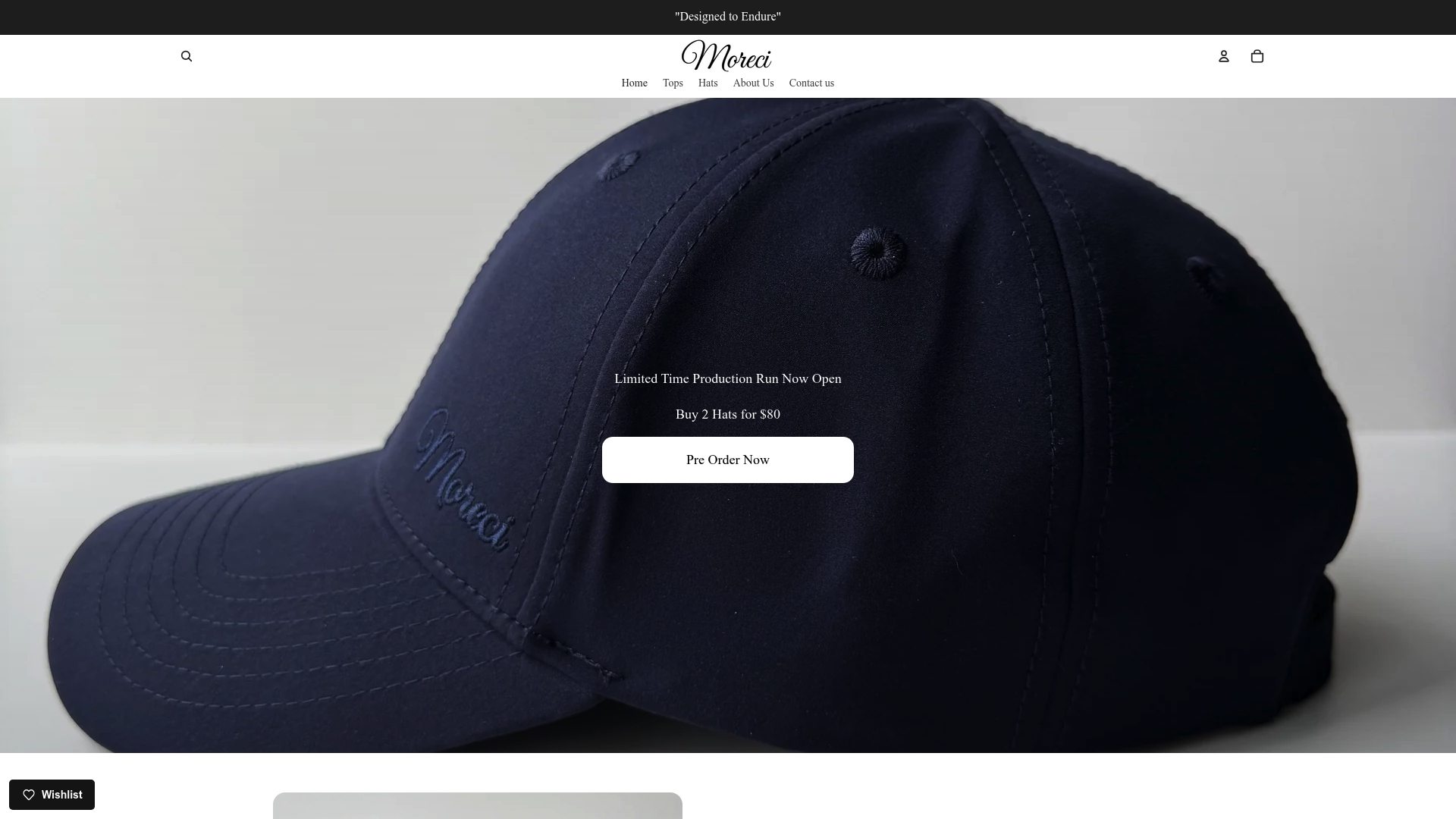
Moreciandco vets every piece against the standards in this guide. The Complesso Tee is built from a bamboo-cotton blend with published fiber percentages and a construction that holds up to the stretch, seam, and hand tests above. The Complesso Collection covers shirts, polos, and accessories selected for exactly the qualities this checklist identifies: proper weight, clean construction, and honest fiber content. Product pages carry fabric specifications so you can verify before you buy. That transparency is the standard Moreciandco holds itself to.
Sources
- How to Spot Quality When Shopping Online for Men’s Clothing: Fabric, S
- How to Check Fabric Quality Before Ordering
- Garment Quality Checklist: Seams, Stitching, and Fabric Tests in Store
- How to Choose Quality Clothing: A Fabric Guide — MioLook