


Yes, selectively. The pieces you wear often, that touch skin, or that support high-impact movement earn back their price. The ones you buy for a look rarely do. Three things justify spending more: better thermoregulation and moisture control, real injury-prevention support, and a lower cost per wear over time. CNN reports that high-end apparel can improve running economy, meaning a runner burns less oxygen and energy at the same pace, though a peer-reviewed review notes the fabric-to-performance link is still context-dependent.
Where spending more actually pays off:
- Footwear and support garments for high-impact or repetitive movement
- Moisture-wicking base layers for long or hot sessions
- Anything worn multiple times a week, where cost per wear drops fast
Key Takeaways
Selective investment in athletic wear pays off when the garment matches your activity, fits correctly, and gets worn often enough to lower its cost per wear.
| Point | Details |
|---|---|
| Prioritize footwear and support | Shoes and compression or support garments deliver the biggest performance and injury-prevention return. |
| Run the cost-per-wear math | Divide price by expected wears; a durable $100 piece often beats two cheaper items that wear out fast. |
| Check tags and construction | Look for specific fiber content, reinforced seams, and dense knit rather than vague marketing claims. |
| Comfort affects motivation | Breathable, well-fitted gear supports training consistency, not just physical performance. |
| Moreciandco fits selective buying | Bamboo-cotton pieces like the Complesso Tee target recovery and light training with durable, fit-focused construction. |
Table of Contents
- The Real Benefits of Investing in Quality Athletic Wear
- Which Athletic Wear Items Deserve Your Money First?
- How Do You Know If the Higher Price Is Worth It?
- Why This Guide Trusts Selective Investment
- An Editorial Take on Smart Spending for Athletic Wear
- A Practical Next Step for Upgrading Your Gear
- Sources
The Real Benefits of Investing in Quality Athletic Wear
Better gear does specific jobs your $8 cotton tee can’t. Understanding those jobs tells you where your money actually works.
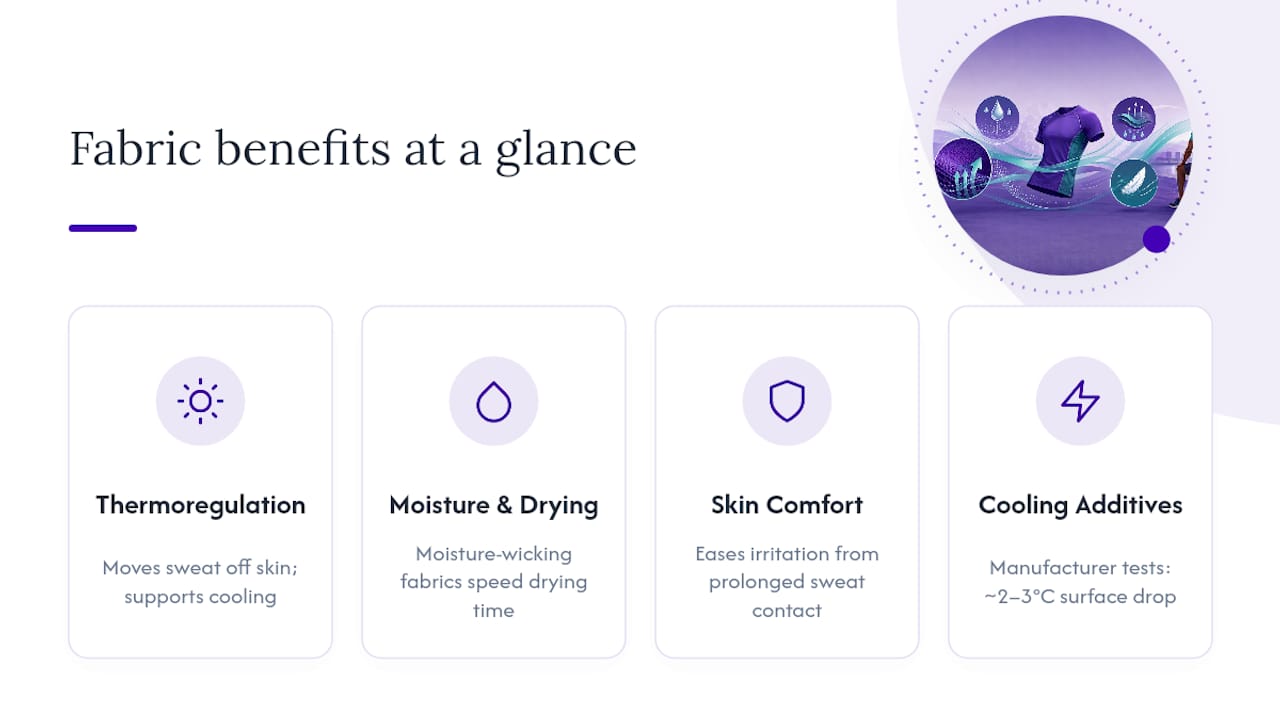
Thermoregulation and moisture management top the list. A systematic review of sports clothing found that breathable, moisture-transporting fabrics are designed to move sweat off skin and support the body’s cooling process, though the review also flags that head-to-head evidence between fiber types stays limited and depends heavily on conditions like heat and session length. Polygiene’s research on moisture-wicking fabric adds that these materials speed drying time and can ease skin irritation from prolonged sweat contact. Some engineered cooling additives claim to drop fabric surface temperature by roughly 2 to 3 degrees Celsius in manufacturer testing, though that figure comes from the brand’s own trials rather than independent review.
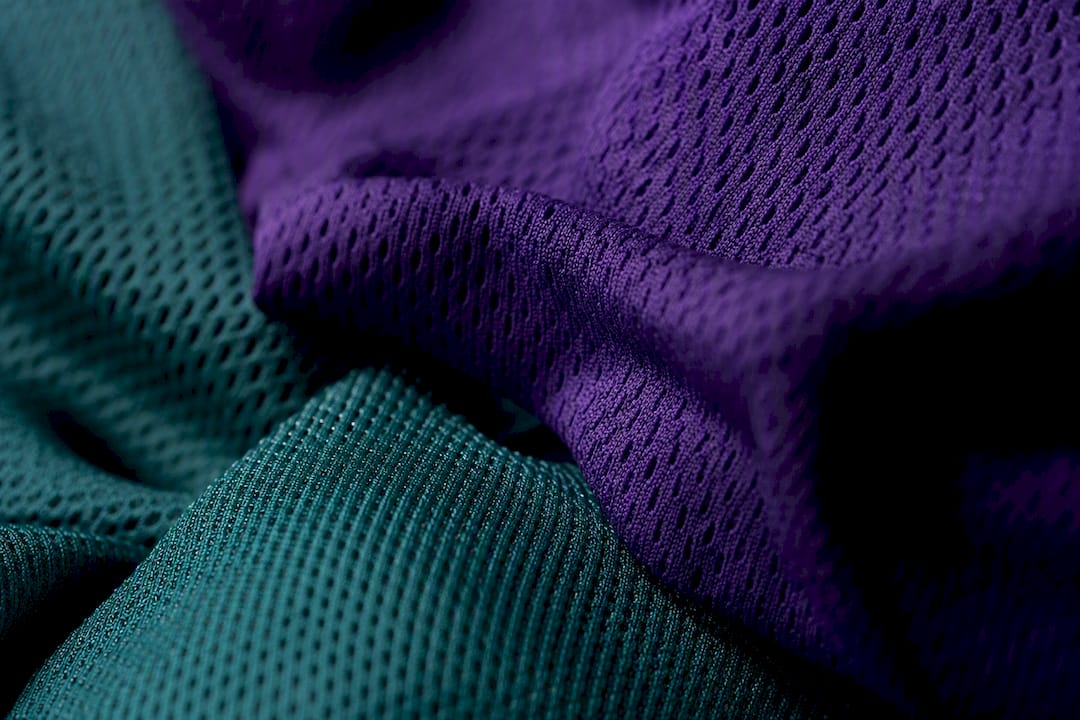
Support and injury reduction matter more than most casual exercisers realize. Compression garments and structured sports bras reduce muscle oscillation during running or jumping, the repetitive bounce that contributes to fatigue and, over time, strain. This is where price differences often reflect real engineering, not just branding.
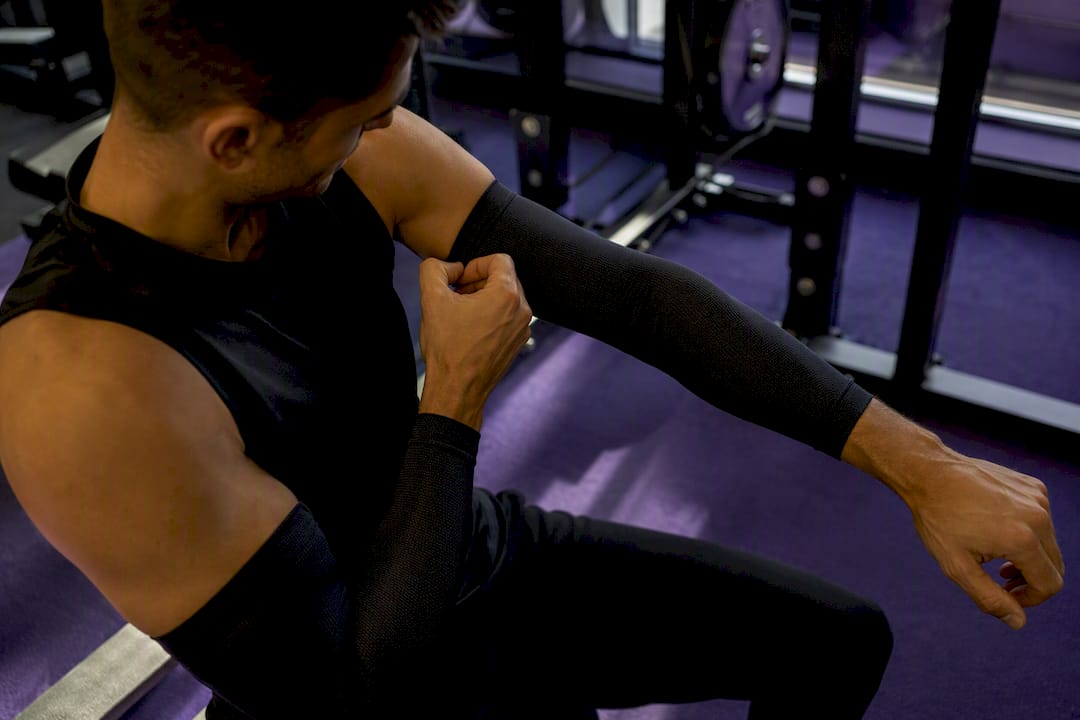
Fit and movement economy come next. A shirt that binds at the shoulder or shorts that ride up during a squat waste energy on constant adjustment and cause chafing that can sideline a workout entirely. Correct fit, more than fabric name, determines whether gear disappears on your body or distracts you from it.
Durability and odor control save money long-term: tighter knit construction resists breakdown and holds antimicrobial treatments longer, so you replace items less often.
Pro Tip: Try on gear and actually move in it, squat, reach overhead, jog in place, before deciding fit is right. A mirror check tells you nothing about how a seam behaves at rep 30.
There’s also a psychological angle worth naming. A 2026 study in Nature found that comfort factors like breathability and fit directly influence a person’s motivation and perceived readiness to train. Clothing that fits and performs well doesn’t just feel better, it can change whether you show up to the next session.
Which Athletic Wear Items Deserve Your Money First?
Not every piece in your gym bag deserves the same budget. Rank your spending by how much the item actually touches your performance.
- Footwear comes first, always. Shoes absorb impact, guide biomechanics, and wear out fastest under real use.
- Support garments rank second: sports bras and compression layers for high-impact training reduce strain in ways a basic tee never will.
- Weather layers matter next, especially moisture-wicking base layers for anyone training outdoors or in hot studios.
- General tees and shorts come last. Decent versions do the job fine unless you’re training daily.
Your activity should steer the order. Runners prioritize shoes and support garments over anything else. Lifters care most about fit and durability under repeated stress and washing. Yoga and studio exercisers want stretch recovery and breathability over structure.
Not sure if it’s time to upgrade? Ask three questions: How often do you wear this per week? Does it cause pain, chafing, or discomfort during use? Can you see visible wear, thinning fabric, stretched-out elastic, fraying seams? Two “yes” answers mean it’s time to replace.
Pro Tip: Keep a mental note of your three most-worn items. Those are the ones worth upgrading first, since they carry the lowest cost per wear once you actually calculate it.
How Do You Know If the Higher Price Is Worth It?
Cost per wear is the simplest math in your closet, and most people never run it. Divide price by expected number of wears. A $100 jacket worn 100 times costs $1 per wear. Two $30 jackets that each last only 20 wears before falling apart cost $1.50 per wear combined, and you’ve replaced gear twice as often. The higher upfront price wins.
Before buying, check three things:
- The tag. Fiber content and claimed technologies (moisture-wicking, four-way stretch) should be specific, not vague marketing language.
- Construction details. Reinforced seams, quality elastic, and denser knit structure are the most reliable, consumer-visible signals of how long a garment will last.
- Care instructions. Gear that demands special washing you won’t actually do will degrade faster regardless of its original quality.
Our Athletic Wear Durability Checklist walks through exactly what to inspect on seams, waistbands, and hardware before you buy. The stitching-quality guide from Jaguar Golf makes a similar case for technical apparel: construction predicts longevity better than brand name does.
Shopping smart:
- Buy your highest-frequency items first and let occasional-use pieces wait for sales
- Try items on and move in them before buying, sensory checks catch problems specs miss
- Skip anything marketed on looks alone if it lacks the technical details for your sport
Why This Guide Trusts Selective Investment
Moreciandco built its approach around one idea: get what you actually pay for. That means judging garments by construction and material, not marketing copy.
- Read our guide to spotting high-performance sportswear materials before your next purchase
- Check fit against our athletic shirt fit guide
- Apply the durability checklist to any garment before checkout
Comfort scales and wearer trials vary widely from lab to lab. The most dependable test isn’t a label claim, it’s how the garment moves, breathes, and holds up against your own skin during actual use.
This article is written by Giuseppe.
An Editorial Take on Smart Spending for Athletic Wear
Most people overspend on the wrong pieces and underspend on the ones that matter. Buy for use, not for the logo. Moreciandco leans hard into material and construction quality because that’s what actually determines whether something survives 100 washes or 10. If you exercise twice a month, skip the top-tier gear entirely. Save it for the stuff you wear weekly.
A Practical Next Step for Upgrading Your Gear
If you’re ready to apply the cost-per-wear math to your own closet, start with the pieces you’ll actually wear most: recovery days and light training sessions. Moreciandco’s Complesso Tee uses a bamboo-cotton blend built for breathability and repeated wear, a fit for exactly that use case rather than a marketing add-on. For outdoor training or sun exposure, the unbranded, tailored Cappellino hat covers a gap most activewear checklists skip entirely.
The whole Complesso Collection is built on the same principle running through this article: construction and material first, branding second. Browse the Moreciandco lineup and pick the one or two pieces that match how often you actually train, not how the gear looks on a shelf.
Sources
- Expensive doesn’t mean better when choosing athletic apparel, experts say | CNN
- Sports clothing research review (PMC9051004)
- Sportswear impacts on comfort and motivation | Nature (2026)
- 8 Benefits of Moisture-Wicking Workout Clothes - Polygiene