


A vest, known in menswear as a waistcoat or gilet depending on its cut and function, is the most underused layering piece in most men’s wardrobes. Men’s vest styles ranked by versatility, trend relevance, and occasion suitability reveal a clear hierarchy. The classic suit vest sits at the top, while statement print vests occupy the niche end. This guide covers nine styles in order, with fit tips, pairing ideas, and the 2026 trends worth knowing before you buy.
1. Men’s vest styles ranked: the classic suit vest
The classic suit vest, or tailored waistcoat, is the most versatile and enduring option in men’s fashion. Tuxedo vests and double-breasted waistcoats remain fixtures at weddings, business meetings, and formal events in 2026. That staying power comes from clean lines, structured fit, and the ability to work with both matching trousers and contrasting separates.
The suit vest works hardest when it fits correctly. A properly fitted waistcoat skims the torso without pulling, and the back strap should be adjusted so no shirt fabric bunches at the sides. Pair it with a dress shirt and trousers for formal wear, or wear it over a turtleneck for a sharp business casual look.
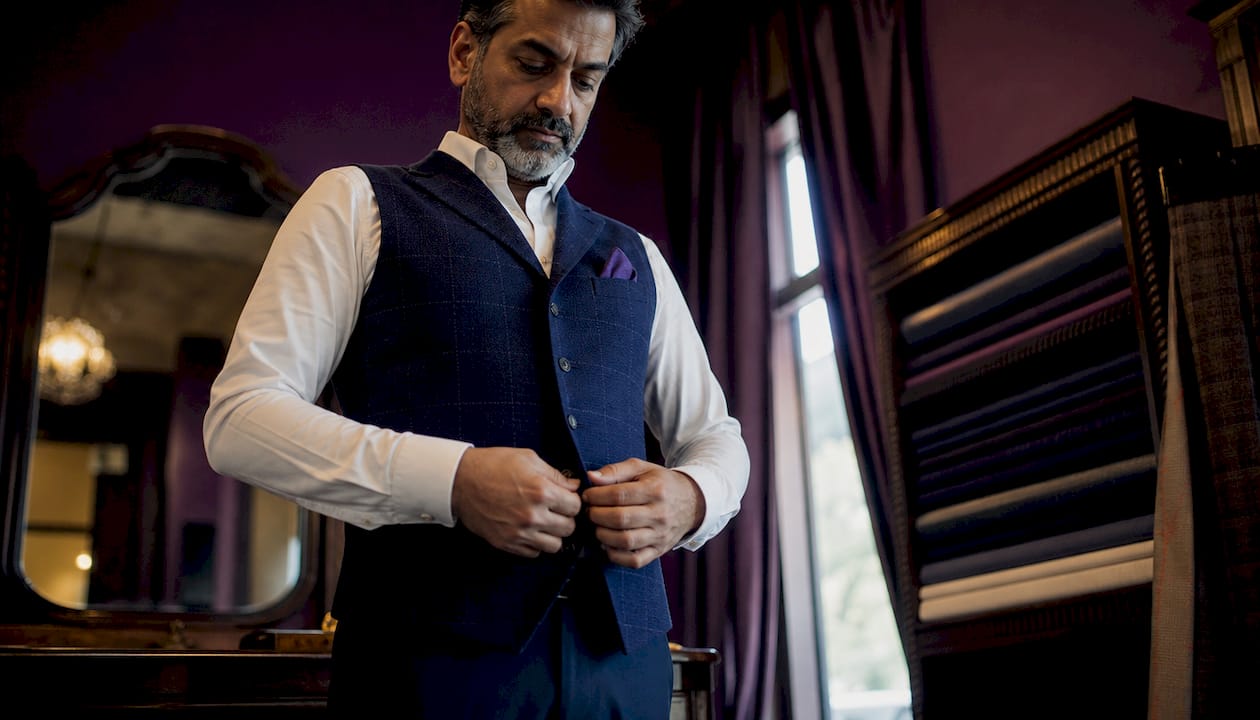
Pro Tip: Always leave the bottom button of a tailored waistcoat undone. This historical menswear rule preserves the drape and prevents the front from pulling across the hips.
2. Sweater vest
The sweater vest is the most wearable casual option across age groups. Merino, cable-knit, and cardigan-style sweater vests layer cleanly over T-shirts or button-up shirts for looks that range from campus-ready to office-appropriate. The texture adds visual interest without adding bulk.
For slim builds, a fitted ribbed sweater vest over a white Oxford shirt reads as polished and intentional. For broader builds, a V-neck merino vest in a neutral tone keeps proportions balanced. Avoid chunky cable-knit if you carry weight in the chest, as the added texture amplifies width.
3. Puffer vest
The puffer vest is the top-rated choice for outdoor and transitional weather wear. Puffer and cropped vests dominate casual fashion in 2026, with exponential sales growth across knit and synthetic fill options. The puffer vest solves a specific problem: it keeps your core warm while leaving your arms free for movement.
Wear it over a flannel shirt or heavyweight hoodie for weekend wear. For a cleaner look, layer it over a slim crewneck in a matching or tonal color. Avoid oversized puffer vests if you are shorter than 5’9", as the extra volume shortens the visual line of the body.
4. Fleece and insulated outdoor vest
Outdoor vests built from fleece or insulated fill combine function with genuine style. Brands like L.L.Bean and Patagonia offer acclaimed models that balance warmth, packability, and wearability at different price points. These vests move from trail to town without looking out of place.
The key to wearing an outdoor vest well in a non-outdoor context is fit. Choose a trim silhouette rather than a boxy cut, and pair it with chinos or dark denim instead of athletic pants. A fleece vest over a chambray shirt with clean sneakers reads as intentional, not accidental.
5. Unstructured casual vest
The unstructured casual vest is the defining trend of 2026 in men’s layering. Relaxed, unstructured vests are favored in smart-casual and creative work environments because they bridge formal structure and streetwear comfort. They look like a suit vest that has been stripped of its stiffness, which is exactly the point.
These vests work best in linen, cotton twill, or soft wool blends. Wear one over a plain T-shirt with tailored trousers for a look that reads as dressed up without being stiff. The unstructured vest is also one of the few styles that works equally well on slim and athletic builds.
6. Denim vest
The denim vest is a niche piece with a clear identity. Leather and denim vests suit casual and statement wear, pairing best with distressed jeans, boots, and vintage tees. The denim vest signals a specific aesthetic: rocker, workwear, or Americana.
Wear it as the statement layer in an otherwise simple outfit. A white tee, slim dark jeans, and a denim vest in a contrasting wash is a complete look. Avoid doubling up on denim by wearing a denim vest with a denim shirt. The clash in washes and textures rarely works.
7. Leather vest
The leather vest occupies the same niche as the denim vest but reads as more aggressive and fashion-forward. It works best for men who already wear leather jackets and boots as part of their regular rotation. A leather vest dropped into an unfamiliar wardrobe looks like a costume.
Wear it over a plain black or white long-sleeve shirt. Keep the rest of the outfit simple: dark jeans, clean boots, and no competing textures. The leather vest rewards restraint. The more you add around it, the less it works.
8. Cropped vest
The cropped vest is the boldest silhouette in the 2026 men’s fashion guide. Cropped and oversized vests lead fashion innovation this year, offering men new ways to express style beyond traditional fits. A cropped vest hits at or above the natural waist, which creates a high-contrast proportion when worn with high-rise trousers.
This style works best on slim and athletic builds. Pair a cropped knit vest with wide-leg trousers and a fitted long-sleeve underneath for a look that is clearly intentional. Taller men carry this silhouette best. If you are under 5’8", a cropped vest can shorten the torso visually.
9. Statement print vest
The statement print vest sits at the niche end of the ranking. It is the hardest to wear well and the easiest to get wrong. Floral, geometric, and abstract print vests work as conversation pieces, not as wardrobe foundations.
Wear a print vest as the only pattern in the outfit. Solid trousers, a plain shirt, and clean shoes let the vest do its job. If you are new to print, start with a subtle texture or tonal pattern rather than a bold graphic. The goal is to look like you chose the vest on purpose.
How to choose the best vest for your body type and occasion
Matching vest cut to body shape is the single most important decision in the selection process. Stylists recommend slim-fit single-breasted vests for slim builds, structured double-breasted cuts for broad shoulders, and longer cuts for taller men. Getting this right means the vest hangs correctly and the silhouette reads as intentional.
| Vest type | Best body type | Best occasion | Best season |
|---|---|---|---|
| Classic suit vest | All builds with tailoring | Formal, business | Fall, winter |
| Sweater vest | Slim to athletic | Smart casual, office | Fall, spring |
| Puffer vest | All builds | Outdoor, weekend | Winter, early spring |
| Unstructured casual vest | Slim to athletic | Smart casual, creative work | Spring, summer |
| Cropped vest | Slim, tall | Fashion-forward, casual | Spring, summer |
| Fleece outdoor vest | All builds | Outdoor, weekend | Fall, winter |
| Denim or leather vest | Athletic, slim | Casual, statement | Spring, fall |
Occasion matters as much as body type. A suit vest at a backyard barbecue reads as overdressed. A puffer vest at a business dinner reads as underprepared. Match the formality of the vest to the formality of the event, then adjust for fit and fabric.
Pro Tip: When transitioning a suit vest from formal to casual wear, swap the dress shirt for a fitted quality tee and replace the dress trousers with dark chinos. The vest carries the look.
Key styling trends and modern moves for 2026
The biggest shift in men’s vest fashion for 2026 is the move away from stiff tailoring. Fashion experts confirm that relaxed, unstructured vests now blend formal styling with street comfort. That shift changes how you build an outfit around a vest.
Key trends to know:
- Layering over knitwear: Wearing a vest over a knit sweater softens formality and adds texture contrast. A suit vest over a thin turtleneck is one of the strongest looks of the year.
- Tonal color palettes: Olive, slate, camel, and charcoal dominate. Wearing a vest in the same color family as your trousers creates a long, clean line.
- Relaxed trousers: Wide-leg and pleated trousers pair better with fitted vests than slim-cut pants do. The contrast in volume creates proportion.
- Accessories that complement: A simple watch, a clean cap, or a minimal belt keeps the focus on the vest without competing with it.
- Mixing textures: A wool vest over a cotton shirt over a linen trouser creates depth without pattern. Texture mixing is the 2026 alternative to print.
Common vest mistakes and how to fix them
Most vest styling errors come down to fit and proportion. Wearing a vest that is too large makes the torso look shapeless. Wearing one that is too tight pulls at the buttons and ruins the drape.
Common mistakes and their fixes:
- Bottom button fastened on a tailored vest: Leave it open. This rule applies to every single-breasted tailored waistcoat, every time.
- Vest too long or too short for the shirt: The vest should cover the shirt hem but not extend past the trouser waistband. Tailoring fixes this in one alteration.
- Clashing textures: A shiny satin vest over a rough tweed shirt creates visual noise. Match the weight and finish of fabrics within the same outfit.
- Mismatched formality: A denim vest with dress trousers and Oxford shoes sends conflicting signals. Keep the formality level consistent across every piece.
- Oversized proportions without intent: An oversized vest works only when the rest of the outfit is deliberately fitted. Random oversizing reads as a sizing error.
Pro Tip: If a vest fits well in the chest but pulls at the waist, ask a tailor to let out the side seams. This is a simple suit alteration that costs less than replacing the garment.
Key takeaways
The classic tailored waistcoat remains the most versatile men’s vest in 2026, but unstructured and cropped styles are closing the gap fast.
| Point | Details |
|---|---|
| Fit determines everything | A vest in the wrong size undermines every other styling decision you make. |
| Match cut to body type | Slim-fit single-breasted for slim builds, double-breasted for broad shoulders. |
| Leave the bottom button open | This rule applies to every tailored waistcoat and preserves the garment’s drape. |
| Unstructured vests lead 2026 trends | Relaxed, casual vests now bridge formal and streetwear in smart-casual settings. |
| Invest in versatile styles first | A classic suit vest and a sweater vest cover more occasions than any other two styles combined. |
What I’ve learned from years of watching men get vests wrong
Most men treat the vest as an afterthought. They buy a suit with a vest included, wear the vest once, and then leave it in the closet because it “doesn’t go with anything.” That is a fit problem, not a style problem.
The vests that get worn are the ones that fit without adjustment. A sweater vest you can grab and throw on over a shirt without thinking is worth ten tailored waistcoats that require a full outfit plan. My advice is to start with one well-fitted sweater vest in a neutral color and one classic suit vest that actually matches your best suit. Those two pieces cover more ground than most men realize.
The 2026 trend toward unstructured and relaxed vests is genuinely useful for men who have avoided vests because they felt too formal. An unstructured linen vest over a plain T-shirt and chinos is one of the easiest outfits to put together and one of the hardest to get wrong. Experiment with business casual layering before committing to anything more formal.
Age is not a barrier here. A 55-year-old man in a well-fitted merino sweater vest looks sharper than a 25-year-old in a vest that is two sizes too big. Fit and intention matter more than youth or trend awareness. Buy fewer vests, buy better ones, and wear them more often.
— Giuseppe
Quality vests worth wearing, from Moreciandco
Moreciandco was built on one idea: you should get what you pay for. That means quality fabric, real construction, and pieces that hold up past the first season.
The Moreciandco store carries a curated selection of men’s vests and layering pieces that cover both classic and modern styles. Whether you are looking for a tailored waistcoat to anchor a formal wardrobe or a relaxed vest to wear with chinos on the weekend, the range is built for men who care about how their clothes fit and last. Pair any vest with pieces from the Complesso Collection for a complete, polished look that does not require a stylist to pull off.
FAQ
What is the most versatile men’s vest style?
The classic tailored waistcoat is the most versatile men’s vest. It works for formal events, business settings, and smart-casual outfits when paired with the right shirt and trousers.
Should the bottom button of a suit vest always be left open?
Yes. Leaving the bottom button undone on a tailored waistcoat is a standard menswear rule that preserves the garment’s drape and prevents pulling across the hips.
What men’s vest styles are trending in 2026?
Unstructured casual vests, cropped vests, and oversized silhouettes lead 2026 trends. These styles blend formal tailoring with streetwear comfort and work across smart-casual and creative environments.
How do I choose a vest for my body type?
Slim builds suit slim-fit single-breasted vests. Broad shoulders are balanced by structured double-breasted cuts. Taller men benefit from longer cuts that maintain proportion.
Can I wear a vest without a jacket?
Yes. Wearing a vest without a jacket is one of the strongest moves in men’s layering. A sweater vest over a dress shirt or an unstructured vest over a tee both work as complete looks without outerwear.