


Keep a capsule wardrobe and swap a few items each season, starting with accessories and shoes in late summer, then moving to structured jackets and closed-toe shoes in early fall, and heavier outerwear as temperatures drop. That single rule covers most of what you need to stay polished year-round without a full closet overhaul.
Your immediate 3-step checklist:
- Inspect existing staples. Pull out last season’s pieces and check for pilling, worn heels, or fading. Anything that looks tired under office lighting gets repaired or retired.
- Select 2–4 swap pieces. Bags, scarves, and shoes first. These change the feel of an outfit faster than any garment swap and cost less to rotate.
- Schedule one tailoring or repair task. A hem, a waist adjustment, or a resoled shoe. One task this week keeps the whole capsule sharp.
The rationale is simple: accessories absorb the most visible wear, and swapping them first buys you time before committing to heavier fabric purchases. Shoes and bags also signal seasonality more immediately than a blazer does.
Table of Contents
- How to build your seasonal work wardrobe updates season by season
- How to build a practical 12–24 piece professional capsule
- Which fabrics perform best, and when to make the swap
- Outfit recipes you can use right now
- Where to invest, what to skip, and how to make pieces last
- Key Takeaways
- Why fabric quality matters more than wardrobe size
- Moreciandco makes the capsule approach easier to execute
How to build your seasonal work wardrobe updates season by season
Every professional wardrobe needs a core inventory that shifts slightly with the calendar. The goal is not a new wardrobe each season but a rotating set of pieces that keeps the same capsule feeling current and appropriate.
Summer
Breathable tailoring is the standard for summer work staples: tailored linen trousers, silk or rayon shirts, and tailored Bermuda shorts where the dress code allows. A lightweight, unstructured blazer in linen or cotton rounds out the look without trapping heat. Swap leather bags for woven or canvas styles, and move from closed-toe dress shoes to leather loafers or breathable oxfords.

Why linen and silk work: Linen’s open weave allows airflow, while silk’s natural protein structure wicks moisture and drapes cleanly under office lighting. Both hold their shape through a full workday better than polyester blends.
Fall
Structured jackets in midweight wool or a wool-blend return here. Trousers in flannel or a heavier cotton-twill, ankle boots, and a scarf in camel or rust complete the transition. The layering rule that works best: breathable base layer, one removable mid-layer, and a seasonal color accent. Loafers are the strongest transitional shoe in early fall before boots feel right.

Why flannel and wool work: Flannel’s brushed surface traps warmth without bulk, and wool’s natural crimp creates insulation while resisting wrinkles through a long meeting day.
Winter
A wool or camel overcoat is the single most important investment piece for winter. Pair it with cashmere or merino knits, wide-leg wool trousers, and leather boots. Textures like bouclé and felt read as intentional and polished rather than heavy. For layering business clothing in winter, the principle is the same: a fine-knit base, a structured mid-layer, and insulated outerwear that still looks sharp at the office entrance.
Spring
Lightweight trenches, unlined blazers, and transitional loafers or clean sneakers carry the spring capsule. Pastel or soft-tone suits and separates work well here, as does breathable shirting in cotton or bamboo-cotton blends. The palette shifts from winter’s deep tones toward stone, sage, and soft blue.
“The smartest fall 2026 office updates are lean, layered, and quietly directional. Waistcoats, soft tailoring, and one strong texture beat full runway cosplay.” — Prism News, Fall 2026 workwear trends
Adapting to dress code: In business formal settings, stick to structured tailoring and natural fibers. Business casual allows unlined blazers and loafers. Creative-professional environments can absorb one trend piece per season, whether that is a waistcoat, a textured knit, or a statement shoe.
Pro Tip: Add one contemporary detail each season rather than adopting a full trend. A single waistcoat or a sharper shoulder line keeps your capsule current without requiring new purchases across the board.
How to build a practical 12–24 piece professional capsule
The right capsule size depends on how you work. A 12-piece capsule covers a standard commute-and-meetings week. Sixteen pieces add enough variety for travel or client-facing weeks. Twenty to 24 pieces handle remote weeks mixed with in-office days, where the formality range is wider.
Step-by-step build process
- Audit what you own. Lay out every work-relevant piece. Remove anything worn, ill-fitting, or season-locked (a single-use holiday sweater, for example).
- Lock in core basics. These are your neutral-palette anchors: navy, charcoal, white, and stone. They work across all four seasons.
- Add seasonal inserts. Two to four pieces that shift the capsule’s weight, texture, or color for the current season.
- Choose one elevated piece. A well-made blazer, a quality overcoat, or a structured bag. This is the piece that makes everything else look intentional.
- Plan tailoring and care. Before wearing anything new, check fit. A $20 hem on a $150 trouser is always worth it.
Color palette and fabric mix
A neutral core of three to four colors plus two seasonal accent colors keeps every piece combinable. For fabric, aim for at least 60% natural or high-quality blended fibers across the capsule. Synthetic-heavy garments can look cheap and cling under office lighting, while natural or quality blends maintain structure and drape across a full workday.
Capsule size comparison
| Category | 12-Piece | 16-Piece | 24-Piece |
|---|---|---|---|
| Core tops (shirts, polos, knits) | 3 | 4 | 12 |
| Bottoms (trousers, skirts) | 2 | 3 | 5 |
| Outerwear (blazers, coats) | 2 | 3 | 4 |
| Shoes | 2 | 3 | 5 |
| Accessories (bags, scarves, belts) | 2 | 3 | 4 |
| Total | 16 | 16 | 24 |
Recommended piece counts per category (16-piece target): 3 blazers or jackets, 4 tops, 3 bottoms, 3 shoes, 2 accessories, and 1 elevated outerwear piece. That breakdown covers a full five-day week with enough variation to avoid repetition.
For a deeper look at how to build a business casual wardrobe around these principles, the same capsule logic applies.
Which fabrics perform best, and when to make the swap
Fabric guide by season
Seasonal tailoring works best when divided by fabric weight: linen, cotton, and silk for warm months; wool, flannel, and corduroy for cold months; bamboo-cotton blends year-round. Bamboo-cotton earns its place as a year-round basic because it breathes in summer, layers without bulk in fall, and holds its shape under repeated washing better than standard cotton.
For a full breakdown of how luxury fabric types perform across seasons, the differences in drape, weight, and care requirements are worth understanding before you invest.
Temperature-based transition guide
| Temperature | Tights/Hosiery | Recommended Fabrics | Outerwear |
|---|---|---|---|
| — | None | Linen, cotton, silk | Unlined blazer |
| 60°F | Sheer | Cotton-blend, light wool | Unlined blazer or trench |
| — | Semi-opaque | Flannel, midweight wool | Structured jacket or trench |
| — | Opaque or wool tights | Heavy wool, cashmere, bouclé | Insulated overcoat |
Transition timeline
Start with accessories and color accents in late summer, add structured jackets and closed-toe shoes in early fall, and complete the transition to heavier outerwear as temperatures drop. This staging—accessories late summer, jackets and shoes early fall, then outerwear as it gets colder—reflects the practical timeline recommended by stylists. A warm October means you hold the overcoat another two weeks. A cold snap in mid-September means boots come out early.
Care and maintenance by material:
- Linen and cotton: Machine wash cold, hang dry. Store folded in a breathable bag, not compressed.
- Wool and cashmere: Dry clean or hand wash in cold water. Store with cedar blocks to deter moths. Never hang heavy knits; they stretch.
- Leather shoes and bags: Condition before storage, use shoe trees, and store in dust bags.
- Straw and woven bags: Store stuffed with tissue paper to hold shape; keep away from humidity.
When to repair vs. replace: A resoled shoe with a good upper is always worth repairing. A blazer with a worn lining but strong structure is worth relining. Replace when the fabric itself is thinning or the silhouette is irreparably dated.
Pro Tip: For pieces worn under office lighting every day, prioritize high-quality blends over budget synthetics. The difference in how a garment drapes and holds its shape by 3 PM is visible to everyone in the room.
Outfit recipes you can use right now
These formulas are built from capsule pieces. Each includes one swap to shift formality or handle a temperature change.
Summer looks
- Business casual: — Tailored Bermuda shorts + bamboo-cotton polo + clean leather sneakers. Swap: Add a lightweight blazer and swap sneakers for loafers to move from casual to client-facing.
Fall looks
Winter looks
Spring looks
Modern professional standards now favor fine-knit styles over heavier polos and loafers or suede accents over very high heels. These recipes reflect that shift. When the dress code is ambiguous, observe how leadership dresses as the most reliable signal of what reads as appropriate and aspirational in your specific workplace.
For a step-by-step approach to building a business casual outfit, the same mix-and-match logic applies across all four seasons.
Where to invest, what to skip, and how to make pieces last
Investment priority (highest to lowest)
- Tailored blazer or overcoat. The single piece that makes everything else look intentional. Buy the best you can afford and have it tailored to fit.
- Quality shoes. Well-constructed leather with a Goodyear welt or equivalent can be resoled multiple times. A cheap shoe wears out in one season and cannot be repaired.
- Midweight wool trousers. These carry fall and winter and layer under a coat without bulk. Worth spending on.
- Bamboo-cotton polos and tees for everyday wear. Year-round basics that hold their shape, breathe in summer, and layer in winter. The Complesso Polo from Moreciandco is built on exactly this principle: bamboo-cotton construction for comfort and structure across seasons.
- Silk or quality-blend tops for key looks. One or two pieces that photograph well and hold up under office lighting.
What to skip or buy at a lower price point
Seasonal trend pieces, fast-fashion accessories, and anything with a very short style cycle. If a trend is everywhere this season, a budget version captures the look without locking up capital. 2026 workwear upgrades focus on fabric quality and updated bags rather than chasing traditional suit-and-tie formality, which means a single well-chosen bag upgrade beats three mediocre ones.
Tailoring and repair priorities
- Hem trousers to the right break for your shoes. This one adjustment changes how expensive a pair of trousers looks.
- Waist adjustments on blazers and trousers. Off-the-rack fit is rarely perfect; a $30 alteration fixes it.
- Collar and cuff reinforcement on dress shirts. These areas wear first. Reinforcing them extends shirt life by a full season or two. For guidance on identifying quality stitching, the construction details to look for are consistent stitch density and reinforced stress points.
- Resoling leather shoes. A quality upper with a worn sole is a repair job, not a replacement.
Seasonal care calendar
- October: Wash and store summer linens and cottons. Condition leather shoes and bags. Pull out wool pieces and check for moth damage.
- March: Inspect winter wool and cashmere for pilling or wear. Air out stored pieces before wearing. Condition leather again after winter salt exposure.
Pro Tip: Cedar blocks in your storage drawers and garment bags are the cheapest insurance against moth damage to wool and cashmere. Replace them every six months.
Key Takeaways
A capsule with a small number of seasonal swaps, starting with accessories and shoes, is the most efficient way to keep a professional wardrobe current without overspending.
| Point | Details |
|---|---|
| Start with accessories and shoes | Swap bags, scarves, and shoes first in late summer, before adding structured jackets and closed-toe shoes in early fall; they signal seasonality faster than garments. |
| Follow temperature cues, not dates | Move to heavier fabrics when temps drop below 60°F, not on a fixed calendar date. |
| Invest in outerwear and shoes | A tailored coat and quality leather shoes deliver the highest return per wear of any capsule piece. |
| Bamboo-cotton for year-round basics | Bamboo-cotton blends breathe in summer, layer in winter, and hold shape under daily office wear. |
| Moreciandco for investment basics | The Complesso collection offers bamboo-cotton polos and tees built for capsule longevity and daily professional wear. |
Why fabric quality matters more than wardrobe size
The conventional wisdom on professional dressing tends to focus on rules: wear a blazer, match your belt to your shoes, avoid open-toed shoes in formal settings. Those rules are not wrong, but they miss the more important variable. What actually determines whether someone looks polished at work is not how many pieces they own or how closely they follow a dress code checklist. It is whether the pieces they are wearing hold their shape, drape cleanly, and look intentional by the end of the day.
Synthetic-heavy garments lose that battle by mid-afternoon. They cling, they wrinkle, and under fluorescent office lighting, the difference between a quality blend and a budget fabric is visible from across a conference table. A smaller capsule built around natural fibers and high-quality blends will always read as more professional than a large wardrobe of mediocre pieces.
The other thing most wardrobe guides underestimate is the role of fit. A well-tailored mid-range blazer looks better than an expensive one that fits poorly. Tailoring is not a luxury; it is the last step in making a purchase actually work. The professionals who look consistently polished are not the ones spending the most. They are the ones spending deliberately on fewer, better pieces and maintaining them properly.
That is the whole argument for a capsule approach: not minimalism for its own sake, but precision. Know what you own, know what it does, and know when to swap it.
Moreciandco makes the capsule approach easier to execute
The hardest part of seasonal work wardrobe updates is not knowing what to buy. It is finding pieces that actually hold up across seasons, look right under office lighting, and do not need replacing every year. That is where most wardrobes quietly fail.
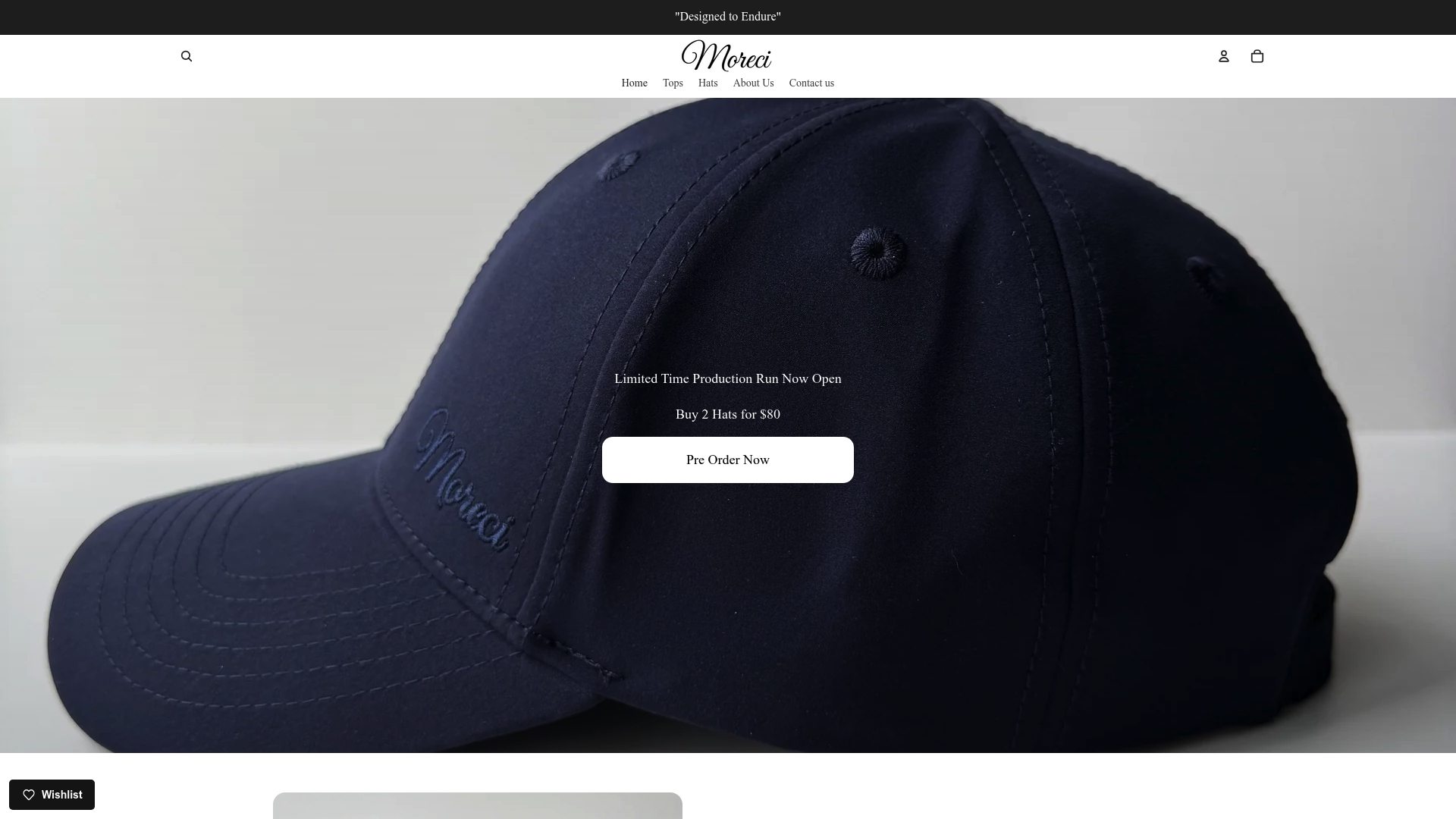
Moreciandco builds around exactly the investment priorities this article outlines. The Complesso Tee and Complesso Polo are made from bamboo-cotton blends in Portugal, designed to serve as year-round capsule basics that breathe in summer, layer in fall, and maintain their structure through repeated wear. The Complesso Collection extends that same standard to elevated staples built for professionals who want fewer, better pieces rather than a full seasonal overhaul. Browse the collection at Moreciandco and pick the pieces that fit your capsule target.
Useful sources
The recommendations in this article draw from the following sources. Each covers a specific area of seasonal professional dressing.
| Source | What it supports |
|---|---|
| WhoWhatWear: Summer Work Capsule 2026 | Summer staples: linen trousers, silk shirts, breathable tailoring |
| Prism News: Fall 2026 Workwear Trends | Fall 2026 trend direction: waistcoats, soft tailoring, selective borrowing |
| Gorgeautiful: Summer to Fall Wardrobe 2026 | Transition timeline: accessory-first staging, temperature cues |
| Business Insider: Office Fashion Trends 2026 | 2026 shift toward fine knits, loafers, and breathable fabrics |
| Currently Popular: Work Outfits by Season | Season-by-season silhouette and layering guidance |
| Lunch Break Living: Transitional Work Outfits | Layering rule, shoe-swap timing, loafer recommendation |
| Indeed: Guide to Business Attire | Dress code calibration: using leadership as a visual benchmark |
| Ape to Gentleman: Work Wardrobe Upgrades 2026 | Investment priorities: unstructured blazers, bag upgrades, fabric quality |
| GQ: Summer Office Outfits | Summer office outfit context and styling reference |