


Fasten the top button on a two-button jacket, skip the bottom always. On a three-button jacket, follow “sometimes, always, never”: top optional, middle always, bottom never. One-button jackets get buttoned when you stand and unbuttoned the moment you sit. Double-breasted jackets stay buttoned almost all the time, since the whole front is engineered around it.
Why do these rules exist at all? Because a fastened bottom button pulls the fabric across your hips, and that single mistake wrecks the line a tailor spent hours building into the jacket.
- 1-button: button standing, unbutton sitting.
- 2-button: top fastened standing, bottom never fastened.
- 3-button: top sometimes, middle always, bottom never.
- Double-breasted: keep the working buttons closed; rarely unbutton.
- Any jacket: unbutton before you sit to protect the drape.
For a standard two-button single-breasted jacket, fastening the top button while leaving the bottom open is the one rule nearly every style authority agrees on without exception.
Key Takeaways
Correct buttoning depends on jacket type, but the fit underneath the buttons determines whether the rule produces a good silhouette at all.
| Point | Details |
|---|---|
| Two-button rule | Fasten the top button standing; never fasten the bottom to avoid flaring. |
| Three-button mnemonic | Follow “sometimes, always, never”: top optional, middle always, bottom never. |
| Double-breasted default | Keep the working buttons fastened; align inner and outer buttons for symmetry. |
| Always unbutton to sit | Sitting buttoned strains buttonholes and creases the fabric over time. |
| Fit drives the outcome | Shoulder fit, waist suppression, and button stance decide whether buttoning looks right. |
Table of Contents
- Why suit jacket button rules matter for fit and silhouette
- How do you button a 1-, 2-, or 3-button jacket?
- How do you button a double-breasted jacket?
- What are the exceptions to standard button rules?
- Getting the fit right so the rules actually work
- What people get wrong about button rules
- Sources
Why suit jacket button rules matter for fit and silhouette
A jacket is cut with a specific button doing a specific job. The top button on a two- or three-button coat is positioned exactly where your torso narrows, and fastening it there defines your waist the way the tailor intended. Fasten a button lower down, near your hip bones, and the fabric has nowhere to go but out. That’s the flare you see on men whose suits look tight and stiff instead of sharp.
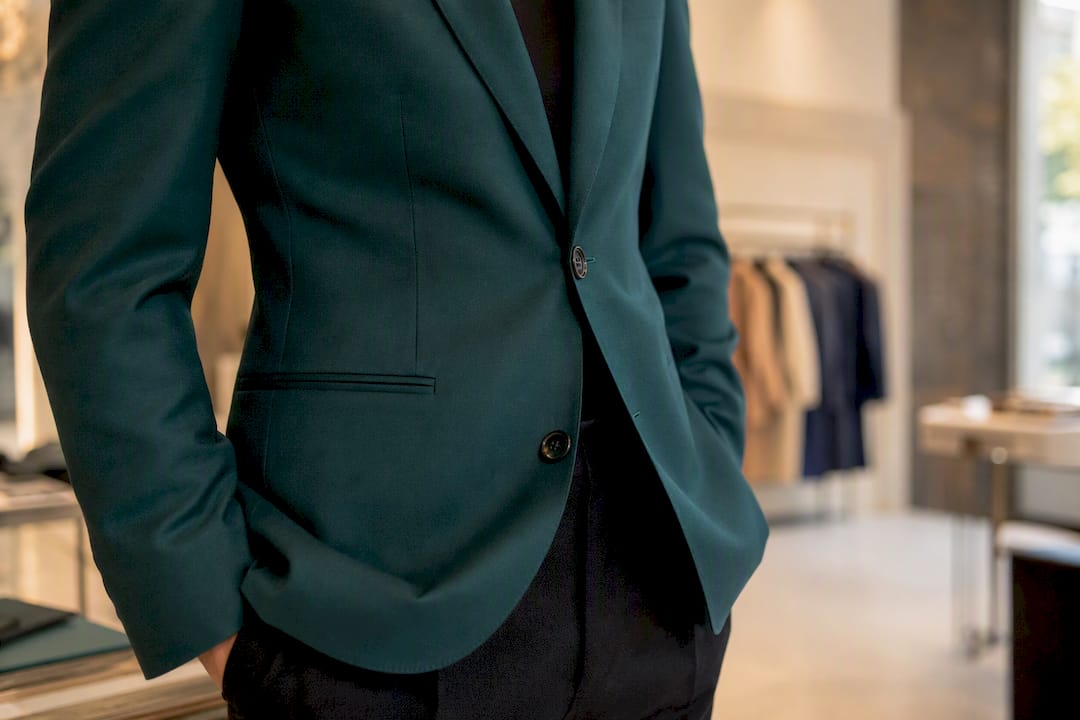
There’s a mechanical reason beyond looks, too. The lower half of a jacket is cut with extra room to swing open as you walk, sit, and reach. Lock that fabric down with a bottom button and you fight the jacket every time you move, which is exactly how creases and strained buttonholes happen.
Buttoning correctly also functions as a quiet signal. Men who get this right without thinking about it usually picked it up from someone who dresses well, and observers read it as a mark of sartorial fluency even if they couldn’t explain the rule themselves.
- Correct buttoning defines the waist where the jacket is cut to taper.
- The bottom button, if fastened, causes flaring, bunching, and torn threads over time.
- Buttoning habits read as a subtle marker of experience with formal dress.
- One popular explanation traces the “never” rule to King Edward VII, though modern tailoring, not royal legend, is the real reason it holds up.
How do you button a 1-, 2-, or 3-button jacket?
Each button count comes with its own logic, and the fastest way to get it wrong is treating all three the same.
- One-button jackets. These show up mostly in tuxedos and slimmer modern cuts. Button it when you’re standing to keep the proportions even, since a one-button coat is often cut a touch longer and needs that anchor point. Unbutton the instant you sit down.
- Two-button jackets. Fasten the top, ignore the bottom, full stop. This is the most common setup on the market and the rule almost every man already half knows. The one wrinkle: on a “high-stance” jacket, where the top button sits noticeably higher on the chest, some taller men find buttoning it feels awkward against a shorter torso. If that’s you, talk to a tailor about adjusting the stance rather than skipping the button entirely.
- Three-button jackets. This is where “sometimes, always, never” earns its reputation as the most useful phrase in menswear. The top button is optional, the middle button is always fastened, and the bottom is never touched. Whether you button the top depends on the lapel roll: on a soft-shoulder, Neapolitan-style cut, the lapel often rolls to the middle button, which hides the top button and makes buttoning it look strange. On a stiffer, more structured English cut, the lapel roll sits higher, and buttoning the top looks intentional rather than accidental.
The routine is simple enough to run on autopilot once it’s memorized: stand up, fasten the correct button or buttons, sit down, unbutton everything, stand back up, refasten. A quick glance in a mirror or a store window tells you in half a second whether the front is doing what it’s supposed to.
Pro Tip: If you’re not sure whether your lapel rolls to the middle or top button, lay the jacket flat on a bed with the lapels open. Wherever the fabric naturally wants to fold is your answer, and it should dictate your top-button decision far more than habit does.
How do you button a double-breasted jacket?
Double-breasted jackets aren’t built with the same flexibility as their single-breasted cousins. The overlapping front panel is structural, not decorative, and it’s designed to stay closed almost all the time you’re wearing it.
- 6x2 configuration: six visible buttons, two functional. Fasten the working button; the rest are for show.
- 4x1 configuration: four visible, one functional, usually placed at or just below the waist.
- Inside button: many double-breasted jackets have a hidden inner button (sometimes called the “jigger”) that should be fastened first, aligned with the outer button so the lapel rolls symmetrically instead of twisting.
- Lowest button: on some 6x2 cuts, leaving the lower outer button undone is an accepted stylistic choice, not a mistake, as long as the primary working button stays closed.
Sitting is the one moment double-breasted rules bend. If you need to unbutton, undo the inner jigger button first, then the outer one, and refasten in reverse order the moment you stand.
What are the exceptions to standard button rules?
Vests, formalwear, and outerwear each follow their own version of the rule, and knowing the exceptions is what separates someone who memorized one line from someone who actually understands the logic.
- Single-breasted vests: the bottom button is traditionally left undone, mirroring the jacket rule above it.
- Double-breasted vests: these are fully buttoned, no exceptions, since there’s no “extra” button built into the design.
- Black tie and white tie: dinner jackets and tailcoats often call for full buttoning where a daytime suit wouldn’t, so check the specific formalwear convention rather than defaulting to your usual habit.
- Overcoats: button fully for warmth in cold weather; the bottom button on longer coats can stay open if you need more freedom to walk or climb stairs.
- Fashion choices: intentionally leaving a jacket unbuttoned (a nod to Italian sprezzatura) or wearing a paddock-style coat with different conventions reads as a style decision only when everything else about your fit is sharp. Sloppy tailoring plus an unbuttoned jacket just reads as sloppy.
When should you actually unbutton your jacket?
- Before you sit. Every time, no exceptions. Sitting buttoned stresses the buttonholes and causes the fabric to pull and wrinkle.
- At the table. Unbutton before you sit down to eat, and leave it that way until you stand again.
- When you take the jacket off. Refasten before you put it back on, not after.
- During any physical activity. Reaching, bending, or carrying something is a cue to unbutton first and avoid straining the fabric.
Getting the fit right so the rules actually work
Buttoning rules only produce a good silhouette if the jacket fits in the first place. A jacket cut too small will flare no matter which button you fasten; one cut too big will hang loose even when buttoned correctly. Giuseppe at Moreciandco has spent years advising men on this exact problem, and the fix almost always traces back to three measurements a tailor can adjust in one visit.
- Shoulder fit: the seam should sit right at the edge of your shoulder bone, with no divots or pulling.
- Waist suppression: how much the jacket tapers in at the waist determines how dramatic the buttoned silhouette looks.
- Button stance: where the top button sits on your chest; raising or lowering it changes how natural buttoning feels for your specific torso length.
Ask your tailor to check these three points by name, and bring a jacket you already like the fit of as a reference if you have one. Beyond fit, keep hangers wide enough to support the shoulders and avoid stuffing a buttoned jacket into a crowded closet, since pressure on the shoulder seams over time is what causes that permanent forward hunch you sometimes see on older suits.
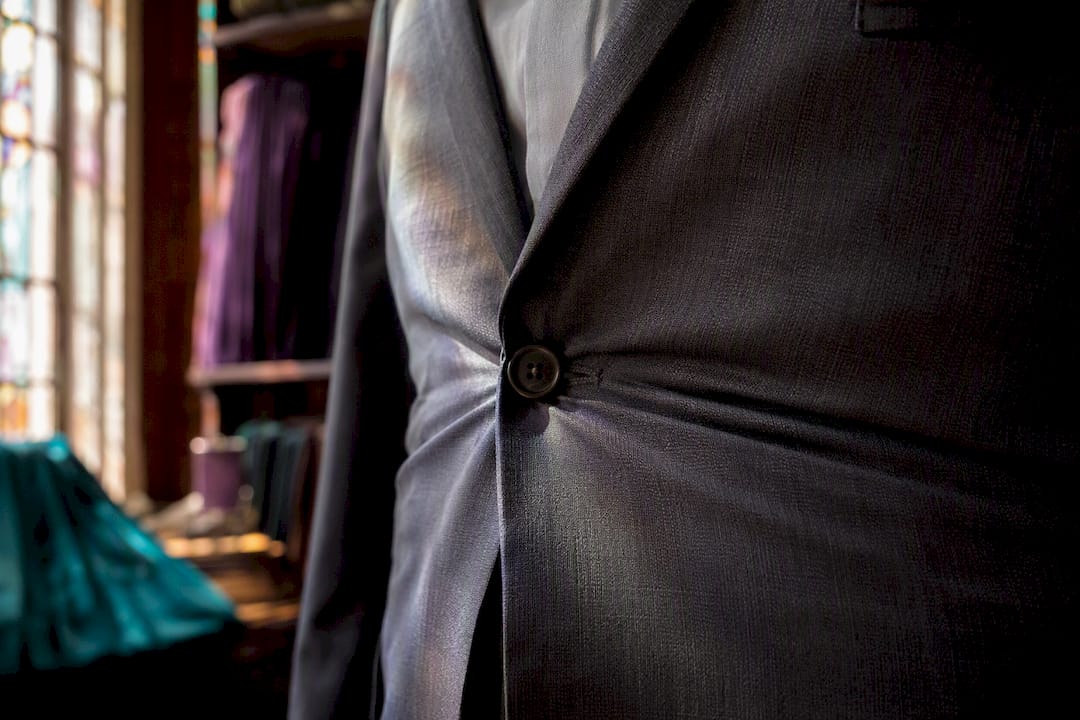
Pro Tip: If your top button strains visibly when fastened while standing straight, that’s not a buttoning problem. It’s a waist suppression problem, and no amount of correct buttoning will fix a jacket that’s simply too tight through the middle.
Once the fit is dialed in, the button rules stop feeling like rules and start feeling like the only way the jacket wants to sit. That’s when it’s worth building out a wardrobe around pieces designed to hold their shape, whether that’s a tailored polo for the days you’re not in a suit or exploring the full Complesso Collection for pieces cut with the same attention to drape and stance that make a jacket’s buttons do their job.
What people get wrong about button rules
Most guides treat suit buttoning as etiquette trivia, the kind of thing you memorize once and never think about again. That undersells it. The real value of “sometimes, always, never” isn’t the mnemonic itself. It’s that the mnemonic forces you to look at your own lapel roll and figure out why the rule exists for your specific jacket, not just recite it.
Where I think the conventional advice falls short is the sitting rule. Most articles mention it once in passing, but it’s arguably the single most common mistake I see, even among men who’ve nailed the standing rules perfectly. A buttoned jacket under a seated torso is under real mechanical stress, and doing it repeatedly is how a good jacket starts looking tired within a year.
If you take one thing from this, prioritize fit over memorization. A perfectly buttoned jacket that doesn’t fit through the shoulders or waist still looks off, no matter how correctly you followed the rule. Get the tailoring right first. The buttoning rules are the easy part.
— Giuseppe
Sources
- Suit Buttons: What Every Man Needs to Know | The Art of Manliness
- How To Button Your Suits, Jackets, Vests, Overcoats, & Tuxedo | Gentleman’s Gazette
- Men’s Suit Button Rules You Need To Know Now