


The 10 investment pieces most editorial guides agree on are: a structured wool coat, a tailored blazer, a white button-down shirt, high-quality denim, a cashmere or heavyweight knit, resoleable leather shoes, a versatile leather bag, a classic leather belt, a reliable watch, and a pair of neutral ankle boots or loafers. This core roster forms the backbone of a capsule wardrobe, but real guidance on which to buy first depends on personal context, with sequenced recommendations for different lifestyles (coat/blazer first, then knitwear, trousers/denim, and leather goods). Vogue’s wardrobe essentials guide and virtually every serious fashion editor land on the same roster. That convergence is not coincidence. These pieces earn their price through frequency of wear, longevity, and the way they make everything else in your closet work harder.
The concept behind this wardrobe investment pieces list is cost-per-wear: divide what you paid by how many times you wear it. A well-made wool coat worn frequently over multiple years costs far less per wear than a cheaper version used only briefly. A $60 fast-fashion version that pills after one season costs far more. Cost-per-wear arithmetic consistently shows that high-frequency, high-visibility pieces justify higher upfront spend.
Start with the coat or blazer. Both deliver the highest visual leverage per dollar because they frame every outfit you wear beneath them. Moreciandco is a useful resource for building out the basics that sit underneath.
- Structured wool coat: Frames every outfit; wears 150+ days a year in most climates.
- Tailored blazer: The single most versatile layer in a professional or smart-casual wardrobe.
- White button-down shirt: Anchors both formal and casual looks; a true style anchor.
- High-quality denim: One well-cut pair outlasts five cheap ones.
- Cashmere or heavyweight knit: The warmth-to-elegance ratio nothing else matches.
- Resoleable leather shoes: The only footwear category where repair beats replacement.
- Versatile leather bag or tote: Leather goods hold resale value better than almost any clothing category.
- Classic leather belt: Ties a look together; lasts decades with minimal care.
- Reliable watch: Functional and the one accessory that reads across every dress code.
- Neutral ankle boots or loafers: Bridges casual and formal with zero effort.
Pro Tip: If your budget only allows one purchase this month, buy the coat or blazer first. It touches every outfit you wear from October through April and delivers more cost-per-wear return than any other single item on this list.
Key Takeaways
A small, well-chosen set of high-quality investment pieces costs less per wear over time than any fast-fashion rotation and builds a wardrobe that works harder with every addition.
| Point | Details |
|---|---|
| Start with coat or blazer | Both deliver the highest visual leverage and cost-per-wear return of any item on the list. |
| Cost-per-wear is the filter | Divide price by projected wears over the garment’s lifespan before deciding whether to spend more. |
| Construction signals matter | Goodyear-welted soles, canvassed tailoring, and full-grain leather are verifiable markers of longevity. |
| Maintenance extends lifespan | Regular brushing, conditioning, and timely small repairs add years to every investment piece. |
| Moreciandco Complesso Collection | Built to investment standards: verified materials, Portuguese construction, and direct-to-consumer pricing. |
Table of Contents
- Your Complete Wardrobe Investment Pieces List, Piece by Piece
- How to decide which investment pieces to buy first
- Care and maintenance that actually extends lifespan
- Why a small capsule makes trend dressing easier
- How to identify reputable brands and makers
- How to spot counterfeits and low-quality replicas
- Sustainability and ethics when buying investment pieces
- Why quality is the only real strategy
- Moreciandco carries pieces built to these standards
- Sources
Your Complete Wardrobe Investment Pieces List, Piece by Piece
1. Structured wool coat
Why buy it: A well-cut wool coat is the highest-leverage item in a cold-weather wardrobe. Worn over suits, denim, or knitwear, it signals polish before you say a word.
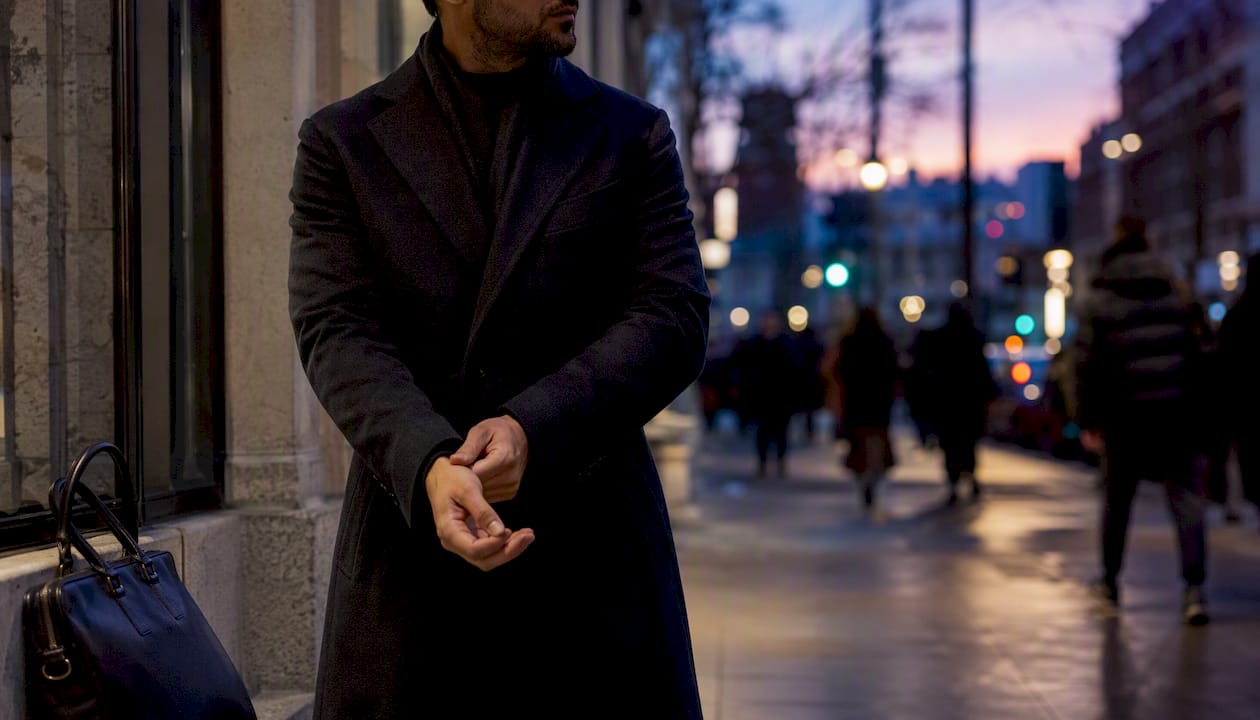
What to look for: Aim for at least 80% wool content; melton, bouclé, or a tightly woven twill all hold their shape better than loosely woven blends. Check that the lining is stitched, not glued, and that there are seam allowances wide enough for a tailor to let out. Full-grain leather, Goodyear-welted soles, and canvassed tailoring are the construction signals that separate lasting pieces from disposable ones — the coat equivalent is a stitched lining and a structured shoulder.
Price guidance: Entry: $200–$350 (wool-blend, machine-made). Mid: $400–$700 (pure wool, partial canvas). Premium: $800+ (bespoke or made-to-measure). When worn frequently across multiple seasons and years, even a higher-priced coat can cost very little per wear.
Styling: Day: over straight-leg denim and a heavyweight knit. Evening: over tailored trousers and a white button-down.
2. Tailored blazer
Why buy it: A blazer is the fastest way to make any outfit look intentional. It works over a tee, a dress shirt, or a knit, and it crosses every dress code from boardroom to dinner.
What to look for: The most important construction detail is canvas vs. fused interfacing. A canvassed blazer molds to your body over time; a fused one bubbles and separates after dry-cleaning. To check: pinch the fabric near the lapel between two fingers. If you feel two distinct layers, it is likely fused. Super 100s wool or a wool-silk blend drapes cleanly and resists wrinkling. For luxury fabric guidance on suits and blazers, the Super number matters: higher means finer, but also more delicate — Super 120s is a practical sweet spot.
Price guidance: Prices vary depending on quality and construction, ranging from entry-level to premium made-to-measure options.
Styling: Casual: navy blazer over a white tee and chinos. Work: charcoal blazer over a dress shirt and tailored trousers.
Pro Tip: Ask the retailer directly whether the blazer is fused or canvassed. A brand that cannot answer that question is telling you something.
3. White button-down shirt
Why buy it: No single garment pairs with more items in a wardrobe. It works under a blazer, tucked into denim, or worn open over a tee. The white shirt is the closest thing to a universal outfit solution.
What to look for: Two-ply cotton (poplin or Oxford cloth) holds up to repeated washing without thinning. Look for single-needle stitching along the side seams — it lies flatter and signals better construction. Mother-of-pearl or horn buttons resist cracking. For a detailed breakdown of quality dress shirt stitching, the stitch count per inch is a reliable proxy for durability.
Price guidance: Entry: $60–$120. Mid: $130–$250. Premium: $260+ (bespoke or luxury cotton).
Styling: Formal: tucked into tailored trousers with a blazer. Weekend: half-tucked into straight-leg jeans with loafers.
4. High-quality denim
Why buy it: One well-constructed pair of jeans worn three times a week for five years costs a fraction of replacing cheap pairs annually. The right cut also crosses more occasions than most people expect.
What to look for: Selvedge denim is denser and generally more durable than open-end spun denim, favored for longevity. A straight or slim-straight cut in a dark indigo wash is the most versatile option — it reads casual with sneakers and nearly formal with leather shoes and a blazer. 2026 editorial roundups consistently name straight and stovepipe cuts as the stable, enduring silhouette.
Price guidance: Prices for denim vary widely based on construction and provenance, from affordable to premium ranges.
Styling: Casual: dark indigo jeans with a white tee and white sneakers. Smart-casual: same jeans with a blazer and leather loafers.
5. Cashmere or heavyweight knit
Why buy it: A quality knit is the workhorse of a cold-weather wardrobe. It layers under a coat, stands alone on mild days, and reads polished in a way that synthetic fleece never will.
What to look for: Not all cashmere performs equally. Higher-ply cashmere and quality origins correlate with better durability and less pilling. A merino wool crewneck is a strong alternative if budget is a concern — look for 18.5 micron or finer. Avoid anything labeled simply “cashmere blend” without a fiber percentage listed.
Price guidance: Prices for knitwear range from accessible merino wool to premium multi-ply cashmere.
Styling: Layered: under a structured coat over tailored trousers. Standalone: with dark denim and leather boots for a clean weekend look.
Pro Tip: Turn cashmere inside out before washing on a cold, gentle cycle in a mesh bag. Never hang it to dry — the weight stretches the shoulders. Lay it flat on a clean towel instead.
6. Resoleable leather shoes
Why buy it: Leather goods and resoleable footwear sit at the top of resale and long-term value hierarchies in a way that most clothing simply does not. A Goodyear-welted shoe can be resoled multiple times, extending its functional life considerably.
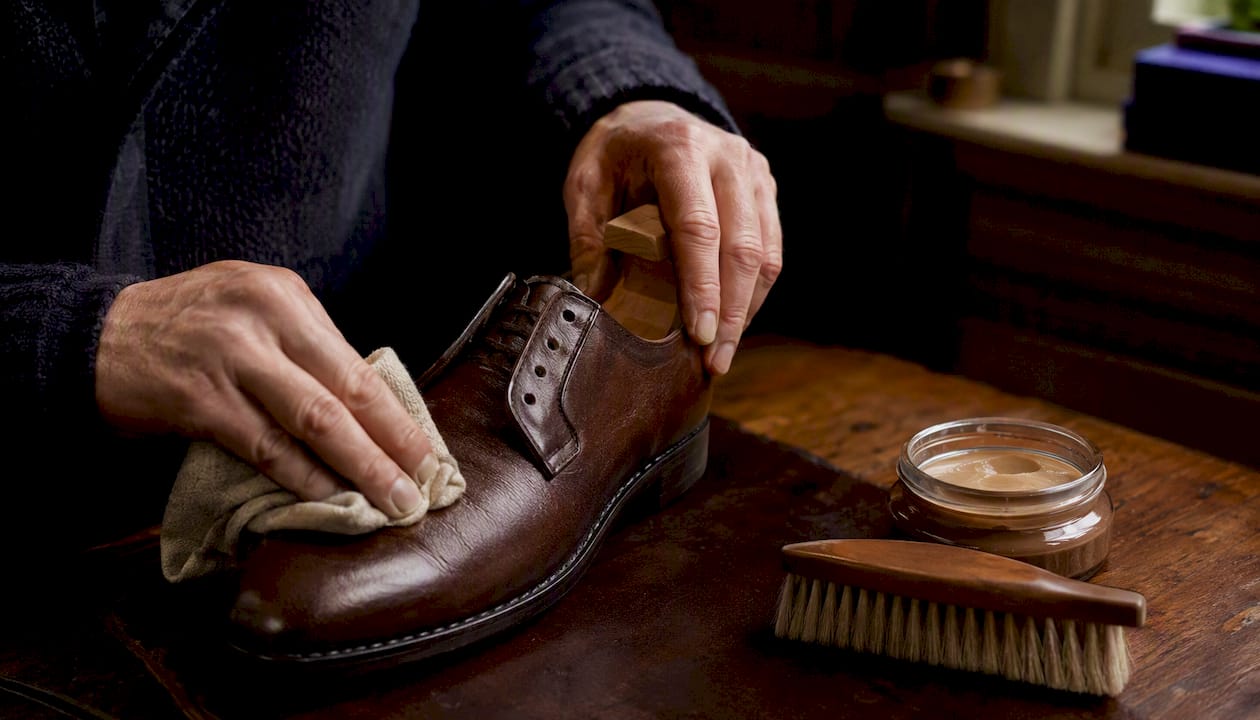
What to look for: Goodyear-welted construction is the gold standard — the upper, insole, and outsole are stitched together through a welt, making the sole replaceable. Blake-stitched construction is lighter and dressier but slightly harder to resole. Full-grain leather (not corrected-grain or bonded leather) develops a patina and resists moisture better. Check the heel: a stacked leather heel is resoleable; a rubber-capped heel is not.
Price guidance: Leather shoes vary from entry-level Blake-stitched to premium bespoke Goodyear-welted constructions.
Styling: Formal: dark brown Oxfords with navy trousers and a blazer. Casual: tan Derby shoes with dark denim and a knit.
7. Versatile leather bag or tote
Why buy it: A leather bag is one of the few fashion purchases that can appreciate in resale value over time, particularly for heritage styles in full-grain leather. It also works across every context from commute to client meeting.
What to look for: Full-grain leather is the most durable and develops a desirable patina over time. Top-grain leather is sanded and more uniform but less durable long-term. Check the stitching at stress points — handles, corners, and zipper pulls. Brass or solid metal hardware outlasts plated zinc. A structured base keeps the bag upright and protects contents.
Price guidance: Leather bag prices range from affordable top-grain to premium full-grain heritage brands.
Styling: Work: structured leather tote with a blazer and tailored trousers. Weekend: unstructured leather crossbody with denim and a knit.
Pro Tip: Condition full-grain leather every 3–6 months with a product like Leather Honey or Saphir Renovateur. It prevents cracking and keeps the leather supple for decades.
8. Classic leather belt
Why buy it: A belt is the smallest item on this list and the one most people underspend on. A quality full-grain leather belt in black or tan lasts 15–20 years and ties every tailored look together.
What to look for: Full-grain leather (not bonded leather, which is essentially leather dust pressed together and cracks within a year or two). A solid brass or nickel buckle. Width matters: 1.25–1.5 inches works across both formal and casual contexts.
Price guidance: Leather belts are available at various price points according to craftsmanship and materials.
Styling: Formal: black belt with black Oxford shoes and tailored trousers. Casual: tan belt with dark denim and brown loafers.
9. A reliable watch
Why buy it: A watch is the one accessory that reads across every dress code without adjustment. It signals attention to detail in a way that no other accessory does as quietly.
What to look for: A stainless steel case with a sapphire crystal (scratch-resistant) and a leather or metal bracelet. Mechanical or automatic movements hold resale value better than quartz, though a quality quartz watch is perfectly appropriate for daily wear. Stick to a case diameter of 38–42mm for the most versatile fit across formal and casual contexts.
Price guidance: Watches span from affordable quartz models to premium Swiss automatic pieces at varying price levels.
Styling: Formal: slim dress watch with a white shirt and blazer. Casual: field watch or sports watch with a knit and denim.
10. Neutral ankle boots or loafers
Why buy it: A pair of well-made neutral boots or loafers does the work of three cheaper pairs. They cross casual and smart-casual effortlessly and, with proper care, last a decade.
What to look for: The same construction signals as dress shoes apply: Goodyear-welted or Blake-stitched soles, full-grain leather uppers, and a leather insole that molds to your foot over time. For ankle boots, a Chelsea or side-zip silhouette in tan, cognac, or black covers the widest range of outfits. For loafers, a penny or tassel style in suede or smooth leather works from weekend to office.
Price guidance: Ankle boots and loafers come in a range of qualities and prices, with durable footwear commanding higher prices.
Styling: Smart-casual: tan Chelsea boots with dark denim and a blazer. Weekend: suede loafers with chinos and a lightweight knit.
How to decide which investment pieces to buy first
The cost-per-wear framework
Oprah Daily’s investment dressing guide recommends a phased sequence that most stylists echo: coat first, then knitwear, then trousers or denim, then leather goods. The logic is frequency of wear. A coat touches every cold-weather outfit. A knit is worn 4–5 months of the year. Leather goods come last because they carry the highest upfront cost and the longest replacement cycle.
Buying checklist for in-store or online evaluation
Before committing to any piece, run through these checks:
- Fabric content: Is the fiber percentage listed? Avoid vague “premium blend” language.
- Construction: Can you feel the interfacing in tailoring? Is the sole stitched or glued?
- Seam allowances: On tailored pieces, are the seams wide enough for alterations?
- Hardware: Is it solid metal or plated? Does it feel weighted?
- Return policy: Does the brand stand behind the product with a meaningful return window?
- Provenance: Is the country of manufacture listed? Heritage manufacturing regions (Italy, Portugal, Japan, UK) are a useful proxy for quality standards.
Matching the list to your lifestyle
Different lives demand different sequencing. A commuter professional should prioritize the blazer and leather shoes first — both appear in every work outfit. A remote worker gets more value from the knit and denim, worn daily at home and on weekends. A frequent traveler should weight the coat and leather bag highest, since both travel well and cover the widest range of contexts. A weekend-focused wardrobe benefits most from the denim, loafers, and a quality knit.
Consignment and authenticated secondhand marketplaces are a legitimate route to higher-quality items at lower cash outlay. End-of-season sales typically offer 30–50% reductions on full-price investment pieces without compromising authenticity.
Care and maintenance that actually extends lifespan
Proper maintenance can add meaningfully to a garment’s useful life, according to resale market and textile preservation research. The difference between a coat that lasts 5 years and one that lasts 15 is almost entirely care.
Monthly tasks
Brush wool coats and blazers with a natural-bristle garment brush after each wear to remove surface debris and prevent fiber matting. Air knits flat for 24 hours before folding and storing — never hang them, as the weight distorts the shoulders. Wipe leather shoes with a dry cloth after each wear.
Quarterly tasks
Condition leather shoes and bags every 3–6 months. Inspect stitching at stress points on bags and shoes and take them to a cobbler for preventive reinforcement before a seam fails. Check buttons and belt loops on tailored pieces and have a tailor reinforce any that feel loose.
Annual tasks
Deep-clean wool coats and blazers at a professional dry cleaner who specializes in tailoring, not a chain cleaner. Have leather shoes resoled before the welt is damaged — once the welt goes, resoling becomes much harder. Store seasonal pieces in breathable garment bags (not plastic) with cedar blocks to deter moths.
Pro Tip: A loose button costs $5 to fix at a tailor and takes 10 minutes. Left unaddressed, it pulls the surrounding fabric and eventually damages the buttonhole — a repair that costs 10 times as much. Fix small things immediately.
Store receipts, dust bags, and original packaging for leather goods and watches. Provenance documentation improves resale value and authenticates the piece if you ever sell it.
Why a small capsule makes trend dressing easier
A core capsule of 8–12 investment pieces functions as the wardrobe’s backbone, and Glamour’s capsule wardrobe research shows that strong curation reduces decision fatigue and multiplies the impact of occasional trend purchases. The math is straightforward: when your foundation pieces all work together, a single trend item (a printed shirt, a bold shoe, a statement bag) can be worn with 6–8 different combinations instead of just one or two.
A practical capsule plan for most people:
- Year 1: Coat, blazer, white shirt, quality denim, leather shoes (5 pieces).
- Year 2: Knit, leather bag, belt, watch (4 pieces).
- Year 3: Ankle boots or loafers, plus 2–3 trend items per season.
Layer in trend pieces at a ratio of roughly 2–3 per season, spending less on them because you know they will rotate out. The investment pieces stay; the trend pieces move.
This is the logic behind Vogue’s wardrobe essentials framework: the capsule is not the whole wardrobe, it is the platform everything else is built on.
How to identify reputable brands and makers
Price alone is not a reliable quality signal. A $400 blazer from a brand with transparent manufacturing and documented construction is a better investment than an $800 blazer from a brand that cannot explain what “premium” means on its product page.
Look for brands that publish their fabric sourcing, manufacturing country, and construction method. Heritage manufacturers in Italy (tailoring, leather), Portugal (shirts, knitwear), Japan (denim), and the UK (outerwear, footwear) have built reputations over decades and are held to consistent standards by their domestic markets. A brand that lists “Made in Portugal” or “Goodyear-welted construction” on its product page is making a verifiable claim — one you can research independently.
Independent retailers and multi-brand boutiques often carry better-constructed pieces than department stores at the same price point, because their buyers select for quality rather than volume. Ask the sales staff directly about construction details. A knowledgeable answer is itself a trust signal.
How to spot counterfeits and low-quality replicas
The most common deception in the investment clothing market is not outright counterfeiting — it is misrepresentation. A garment labeled “cashmere” may contain as little as a small percentage of cashmere fiber under certain labeling rules. A “full-grain leather” bag may be top-grain or bonded leather with a corrected surface finish.
Three practical checks:
- Fiber content label: The FTC requires US garments to list fiber content by percentage. If the label says “cashmere blend” without percentages, ask for clarification or walk away.
- Construction inspection: Glued soles, fused interfacing, and plastic hardware are not investment-grade, regardless of the price tag or brand name on the label.
- Authenticated resale platforms: For luxury leather goods and watches, use platforms with authentication guarantees. Buying directly from a brand’s own retail channel or an authorized retailer eliminates most authenticity risk.
For watches specifically, request the serial number and verify it against the manufacturer’s records before purchasing secondhand.
Sustainability and ethics when buying investment pieces
The most sustainable garment is one you wear for 20 years. That reframe matters: buying fewer, better pieces is not just a financial strategy, it is a measurably lower-impact approach to consumption. A coat worn 1,000 times has a fraction of the per-wear environmental footprint of a coat worn 10 times.
When evaluating a brand’s ethical credentials, look for:
- Transparency on manufacturing: Country of origin, factory names, and labor standards are increasingly published by brands that take this seriously.
- Material certifications: GOTS (Global Organic Textile Standard) for cotton, RWS (Responsible Wool Standard) for wool, and LWG (Leather Working Group) for leather are third-party audited standards, not marketing claims.
- Repairability: A brand that sells replacement soles, offers repair services, or partners with cobblers and tailors is building for longevity, not planned obsolescence.
Secondhand and consignment purchasing is the most direct way to reduce the environmental cost of a new garment while accessing higher quality at a lower price. The resale market for investment-grade leather goods and tailoring is deep and well-authenticated in the US.
Why quality is the only real strategy
The conventional wisdom says buy investment pieces because they “save money in the long run.” That framing undersells the point. The real argument is simpler: a well-made coat feels better, fits better, and looks better on day 1,000 than a cheap one does on day 10. The financial case is secondary to the experience of wearing something that was built to last.
What most wardrobe guides miss is the compounding effect. Each investment piece you add makes the others more useful. A great blazer makes your white shirt look more intentional. Quality leather shoes make your denim look more considered. The wardrobe becomes more than the sum of its parts, and that is what separates a capsule from a closet full of clothes that never quite work together.
The pieces on this list are not aspirational. They are the minimum viable wardrobe for anyone who wants to get dressed without thinking too hard and look right in almost any situation. Moreciandco’s approach to quality — materials you can verify, construction you can feel, and design that does not chase trends — reflects the same logic this list is built on.
Moreciandco carries pieces built to these standards
Most investment-piece guides end with a list of brands you cannot afford or cannot access easily. Moreciandco takes a different approach: premium materials, honest construction, and direct-to-consumer pricing that removes the markup without removing the quality.
The Complesso Collection is built around exactly the criteria this list describes: fabric you can verify (bamboo-cotton blends made in Portugal), construction details that hold up to inspection, and silhouettes designed to work across contexts rather than chase a single season. The Complesso Tee is the kind of elevated basic that sits under a blazer as well as it does on its own. For accessories that meet the same standard, the accessories collection covers the finishing pieces a capsule wardrobe needs. Browse the full Moreciandco store and find the pieces that belong in your rotation for the next decade.
Sources
- Vogue — Wardrobe essentials guide
- Glamour — Capsule wardrobe essentials
- Investment pieces that last: The cost-per-wear edit | Coveti
- Fashion Investment Pieces vs Trend Clothing: The Smart Wardrobe Spending Guide Nobody Gave You
- Investment pieces: a wardrobe that holds its value
- WhoWhatWear — Best wardrobe basics for 2026
- Oprah Daily — 9 investment pieces that will last forever