


A heavyweight athletic tee is defined as a shirt made from dense, thick fabric weighing 6 to 8 ounces or 200–300+ GSM, built to deliver superior durability, structure, and comfort during physical activity. The industry term for this category is “high-GSM athletic apparel,” and understanding that standard separates informed buyers from athletes who keep replacing shirts every few months. Unlike standard athletic shirts, heavyweight tees hold their shape through hard training sessions, repeated washing, and daily wear. Moreciandco was built on exactly this principle: getting what you pay for, with quality that shows up every time you put the shirt on.
What is a heavyweight athletic tee, and how is it defined?
A heavyweight athletic tee is defined by its fabric weight. The 200–300+ GSM standard is the industry benchmark that separates heavyweight shirts from mid-weight and lightweight options. GSM stands for grams per square meter, and it measures how dense and thick the fabric is. The higher the number, the more material you get per inch of shirt.
High-GSM fabrics increase both comfort and longevity, offering a premium feel that athletes and fitness enthusiasts notice immediately when they pick up the shirt. That density translates directly into a shirt that does not pill, sag, or thin out after a few months of use. For athletes who train four or five days a week, that durability is not a luxury. It is a requirement.
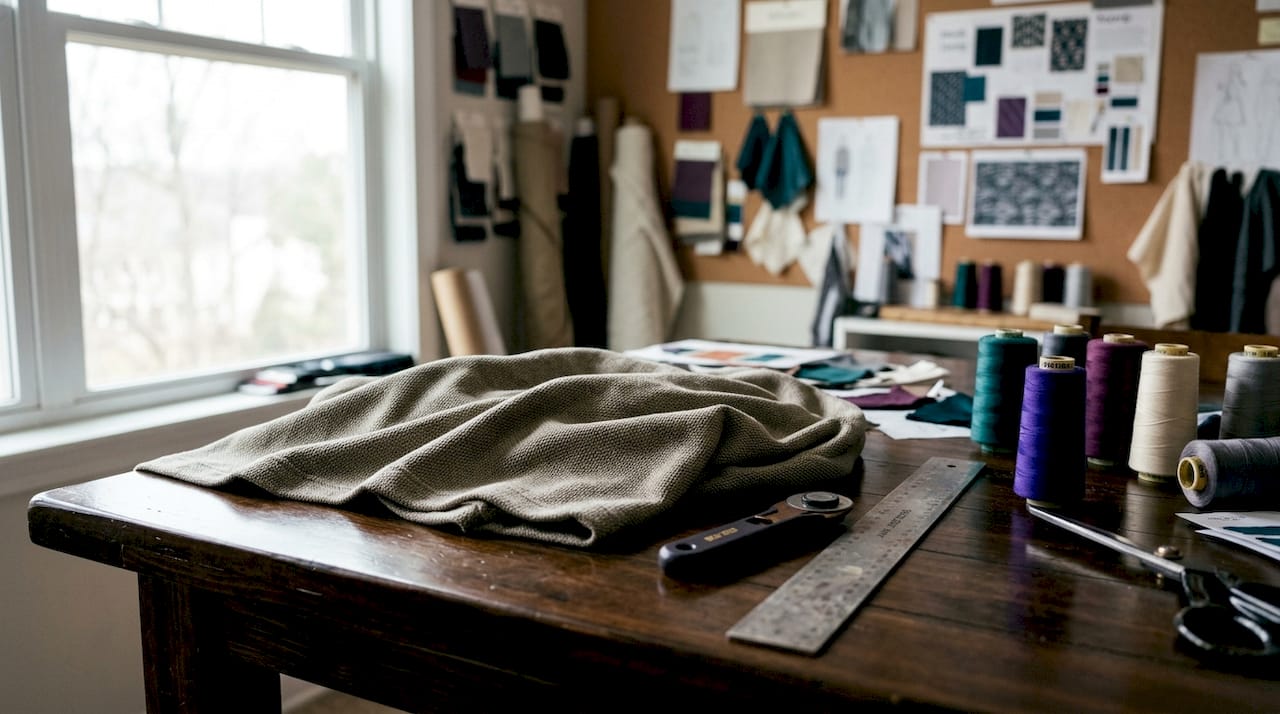
The fabric composition matters just as much as the weight. Most heavyweight athletic shirts use cotton-dominant blends, sometimes combined with polyester or bamboo fibers to add moisture management. Pure cotton at high GSM gives you structure and softness. Blended fabrics add stretch and breathability without sacrificing the weight that defines the category.
How do heavyweight tees differ from regular or lightweight athletic shirts?
The clearest difference between a heavyweight and a lightweight athletic shirt is what happens after six months of regular use. Lightweight shirts, typically under 150 GSM, stretch out, fade, and lose their shape. Heavyweight tees retain their shape better after multiple washes and wear cycles, making them the practical choice for athletes who need durable training wear.
Breathability is the one area where lightweight shirts have an edge. Thinner fabrics move air more freely, which matters in hot, humid environments. Heavyweight tees are preferred for cold-weather training because of their heat retention, but they can feel less breathable in high-temperature conditions. That tradeoff is worth knowing before you buy.
Here is a direct comparison of the two categories across the features that matter most to athletes:
| Feature | Heavyweight tee (200–300+ GSM) | Lightweight tee (under 150 GSM) |
|---|---|---|
| Durability | High. Resists stretching and sagging. | Moderate. Wears out faster with heavy use. |
| Shape retention | Excellent after repeated washing. | Degrades over time. |
| Heat retention | Strong. Best for cool environments. | Low. Better for hot conditions. |
| Breathability | Moderate. Depends on fabric blend. | High. Moves air freely. |
| Print quality | Superior. Thick fabric holds designs better. | Average. Thinner base shows wear. |
| Best use case | Lifting, cold-weather training, casual wear. | Running, HIIT, warm-weather cardio. |
The right choice depends on your training environment and how long you want the shirt to last. For most gym athletes, a heavyweight shirt wins on every metric that matters long term.
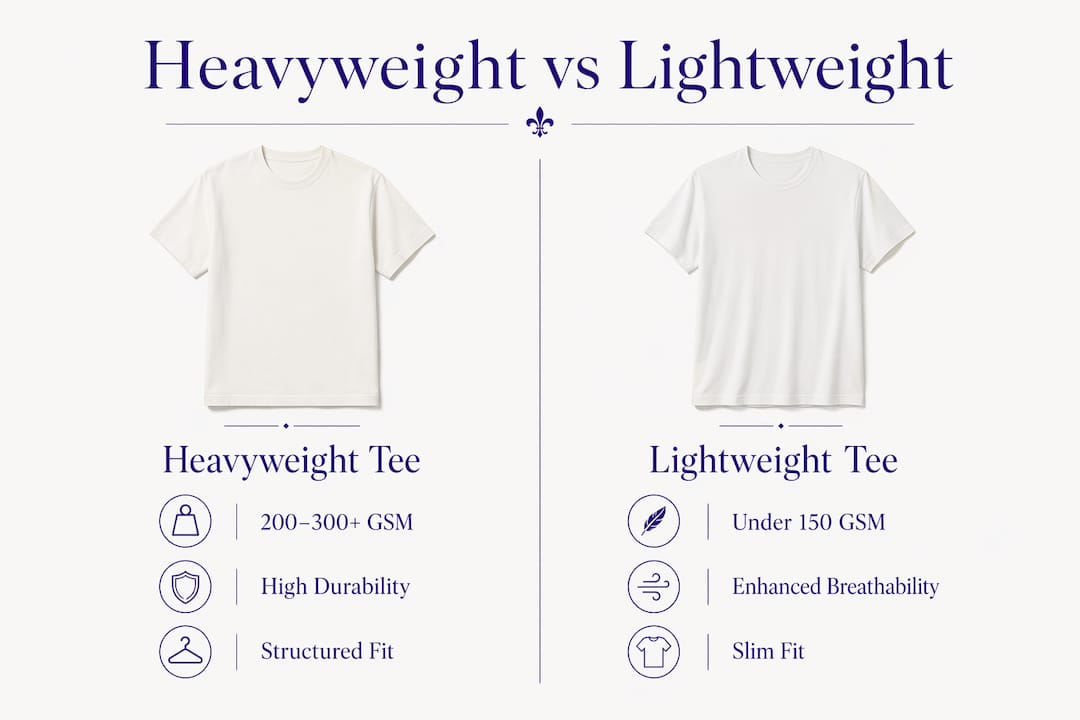
Pro Tip: If you train in an air-conditioned gym year-round, a heavyweight tee in a cotton-polyester blend gives you the structure of high GSM fabric with enough breathability to stay comfortable through a full session.
What design features make heavyweight athletic tees work for athletes?
The design of a heavyweight athletic shirt is as deliberate as the fabric. Drop shoulders, boxy bodies, and wide sleeves are the three structural elements that define the category. Each one serves a specific athletic function.
Drop shoulders shift the seam off the shoulder joint and down the arm. That placement removes pressure from the shoulder during overhead movements like presses and pull-ups. Wide sleeves give your arms room to move without the fabric pulling tight across the chest or back. The boxy body creates space through the torso, which means the shirt does not cling or restrict during compound lifts.
The design also serves a practical aesthetic purpose. The oversized drop-shoulder silhouette supports lifters through warm-ups and heavy training phases while delivering a structured look that works outside the gym. Athletes call this the “pump cover” effect: the shirt looks clean and intentional whether you are mid-set or walking out of the gym.
Key design features that separate a well-built heavyweight athletic shirt from a generic option:
- Drop-shoulder construction for unrestricted overhead movement
- Boxy silhouette that does not cling during heavy lifts
- Wide sleeve opening for full arm range of motion
- Reinforced collar that holds its shape and does not stretch out
- Thick fabric base that holds printed designs without cracking or fading
- Moisture-managing blends that add breathability without reducing structure
Heavyweight tees hold printed designs better than thinner alternatives because the dense fabric gives ink a stable, consistent surface. That matters for athletes who wear branded or custom gear. The design stays sharp through dozens of washes.
Pro Tip: Check the collar construction before buying. A reinforced ribbed collar holds its shape through repeated wear. A thin, single-layer collar stretches out within weeks and makes an otherwise great shirt look worn.
How do heavyweight athletic tees perform across different training types?
Performance depends on the activity. Heavyweight tees excel in specific training environments and fall short in others. Knowing where they shine helps you build a gym wardrobe that actually works.
-
Weightlifting and powerlifting. This is the home environment for a heavyweight athletic shirt. The boxy fit does not restrict movement during squats, deadlifts, or bench press. The thick fabric provides a layer of warmth that keeps muscles loose during rest periods between heavy sets.
-
Warm-up and mobility work. Athletes use heavyweight tees as pump covers during warm-up phases before switching to lighter gear for cardio. The shirt provides coverage and warmth without overheating during low-intensity movement.
-
Cold-weather outdoor training. Heat retention is a genuine advantage when you train outside in fall or winter. A heavyweight shirt worn under a light jacket replaces the need for a base layer in mild cold conditions.
-
High-intensity cardio and running. This is where heavyweight tees are not the right tool. Sustained cardio generates significant body heat, and a 300 GSM shirt will trap that heat. Lightweight performance fabrics serve athletes better in this context.
-
Extended wear and recovery days. The comfort of a high-GSM fabric makes heavyweight tees a strong choice for recovery days, travel, and casual wear. The shirt holds its structure and looks intentional without any effort.
The shift toward heavyweight tees in 2025 and 2026 reflects athletes valuing quality over quantity, preferring garments that maintain a neat, boxy silhouette over clingy fits. That trend is not about fashion. It is about athletes getting tired of replacing cheap shirts every season.
Pro Tip: Layer a heavyweight tee over a moisture-wicking base layer for cold-weather outdoor sessions. You get the warmth of the thick outer fabric and the sweat management of the performance layer underneath.
How to select the best heavyweight athletic tee for your fitness needs
Choosing the right heavyweight athletic shirt comes down to four factors: fabric weight, fit, fabric blend, and intended use. Getting all four right means you buy once and wear the shirt for years.
Start with fabric weight. A shirt in the 200–250 GSM range gives you structure and durability without feeling heavy on the body. Shirts at 280–300+ GSM feel noticeably denser and are better suited for cold environments or athletes who prioritize maximum longevity. Understanding fit for athletic activities is the next step, because a heavyweight fabric in the wrong cut limits your movement regardless of how good the material is.
Consider these factors when evaluating your options:
- GSM range. 200–250 GSM for general gym use. 280–300+ GSM for cold weather or maximum durability.
- Fabric blend. 100% cotton for maximum softness and structure. Cotton-polyester blends for added stretch and moisture management.
- Fit type. Boxy and oversized for lifting and casual wear. A slightly tapered heavyweight option works if you want structure without bulk.
- Collar style. Crew neck for classic gym aesthetics. A well-designed V-neck in a heavyweight fabric adds versatility for athletes who wear their gym shirts outside the gym.
- Print and color durability. Thicker fabric holds color and printed graphics longer. Check for pre-shrunk treatment to avoid sizing issues after the first wash.
Price reflects fabric quality in this category. A shirt built to 250+ GSM standards with reinforced construction costs more upfront. It also lasts three to four times longer than a budget option. The math favors the higher-quality shirt every time.
Key Takeaways
A heavyweight athletic tee is the most durable, structured option in athletic apparel, defined by its 200–300+ GSM fabric weight and built to outlast lighter alternatives across years of hard training.
| Point | Details |
|---|---|
| Fabric weight defines the category | Heavyweight tees use 200–300+ GSM fabric, which drives durability and structure. |
| Shape retention is the key advantage | These shirts hold their form after repeated washing, unlike lightweight alternatives. |
| Design serves athletic function | Drop shoulders and wide sleeves support full range of motion during lifting. |
| Best suited for lifting and cold training | Heavyweight tees excel in the gym and cold environments but are not ideal for sustained cardio. |
| Fabric blend determines breathability | Cotton-polyester blends add moisture management without sacrificing the density that defines the category. |
Why I think most athletes are still underestimating heavyweight tees
The common assumption is that heavyweight tees are just a style choice. Athletes see the boxy silhouette and assume it is about aesthetics. That reading misses the functional case entirely.
I have watched athletes cycle through three or four lightweight shirts in the time it takes a well-built heavyweight tee to show any real wear. The math is obvious once you see it. A shirt that costs more but lasts four times longer is not a premium purchase. It is the economical one.
The misconception I hear most often is that heavyweight tees are too hot for gym use. That is true for sustained cardio. For weightlifting, where you spend significant time resting between sets, the heat retention is an asset. Warm muscles perform better and recover faster. The shirt is doing real work, not just looking good.
The trend toward premium structured athletic apparel in 2026 is not a fashion cycle. It is athletes applying the same quality-over-quantity logic to their gear that they already apply to their training. You would not use a cheap barbell. Stop using a cheap shirt.
The future of athletic shirt design moves further in this direction. Expect to see more heavyweight options with technical fabric blends that add moisture management without reducing GSM. The category is maturing, and athletes who understand it now will build wardrobes that hold up for years.
— Giuseppe
Moreciandco’s heavyweight athletic tees are worth your attention
Moreciandco was built on one idea: bringing back getting what you pay for. That applies directly to heavyweight athletic shirts, where the market is full of options that look right but fall apart within months.
The Moreciandco collection is built for athletes and fitness enthusiasts who want fabric that holds its structure, design that supports real movement, and quality that shows up wash after wash. Every piece reflects the same standard: premium materials, construction that lasts, and a fit that works in the gym and outside it. If you are ready to stop replacing shirts every season, the Moreciandco store is the right next step.
FAQ
What is the standard fabric weight for a heavyweight athletic tee?
Heavyweight athletic tees use fabric weighing 6 to 8 ounces per square yard, or 200–300+ GSM. This weight range defines the category and drives the durability and structure that separate heavyweight shirts from standard options.
Are heavyweight athletic shirts good for all types of workouts?
Heavyweight tees perform best during weightlifting, cold-weather training, and warm-up phases. They are not the best choice for sustained cardio or high-intensity training in hot environments, where lighter performance fabrics manage heat better.
How do I know if a heavyweight tee will fit well for lifting?
Look for a boxy silhouette with drop shoulders and wide sleeves. These design features support full range of motion during compound lifts. A performance shirt fit guide can help you match cut to your specific training style.
Do heavyweight athletic tees shrink after washing?
Pre-shrunk heavyweight tees hold their size reliably. Shirts without pre-shrunk treatment, especially those made from 100% cotton, can shrink slightly in the first wash. Always check the care label and wash in cold water to preserve both size and fabric integrity.
Why are heavyweight tees growing in popularity among athletes in 2026?
The shift reflects a broader preference for quality over quantity in athletic apparel. Athletes are choosing shirts that maintain a structured, boxy silhouette and last through years of training rather than replacing cheaper options repeatedly.