


Your complete cold weather training gear checklist: moisture-wicking base layer (merino or high-performance synthetic), insulating midlayer (fleece or wool blend), windproof/water-resistant outer shell, insulated waterproof training footwear with traction, and extremity protection. That last category covers a merino beanie, wind-resistant touchscreen gloves, thermal socks, and a neck gaiter. Pack all five categories and you’re ready for cold weather workouts.
- Base layer: Fitted merino or polyester-blend long-sleeve, snug to skin, no cotton
- Midlayer: Light fleece, merino-blend hoodie, or thin insulated vest
- Outer shell: Windproof, water-repellent shell with breathable membrane
- Footwear: Insulated or waterproof trainers with slip-resistant soles and reflective accents
- Accessories: Merino beanie, wind-resistant touchscreen gloves, neck gaiter, thermal socks
For men who want pieces that carry from a morning run to a business-casual afternoon, Moreciandco’s Complesso Collection and the Cappellino Baseball Hat cover the crossover gap between training and everyday wear.
The three-layer system is the most reliable way to train safely and comfortably in winter — each layer has a distinct job, and skipping one forces the others to compensate.
Table of Contents
- Why does the three-layer system matter for winter training?
- What goes in your winter training kit, item by item
- How do you adjust layers by temperature and intensity?
- Which accessories do you actually need for winter training?
- How do you choose the right fit and fabric when buying?
- Quick care rules for technical winter gear
- Key Takeaways
- The case for gear that earns its keep off the track too
- Moreciandco pieces that work from training to everyday wear
Why does the three-layer system matter for winter training?
The three-layer system works because each layer solves a different problem. Your base layer pulls sweat away from skin so you stay dry. The midlayer traps warm air close to your body. The outer shell blocks wind and precipitation while letting heat and vapor escape. Remove any one of them and the whole system degrades.
Breathable, water-repellent shells matter more than most men expect. Cold wet rain or snow causes more discomfort and performance loss than low temperature alone, because wet fabric against skin accelerates heat loss faster than cold air does. A shell that blocks wind but traps sweat is almost as bad as no shell at all.
Merino wool and high-performance polyester blends are the right materials for base and midlayers. Merino regulates temperature across a wider range, resists odor, and feels refined enough to wear off-duty. Synthetics dry faster and cost less. Both beat cotton in every cold-weather metric.
Pro Tip: Pack one thin merino sweater or a Complesso midlayer piece that reads as casual business wear. After training, swap the shell for it and you’re dressed for errands or a low-key meeting without a full outfit change.
What goes in your winter training kit, item by item
Base layers
Go snug and synthetic or merino. A fitted quarter-zip or slim crew in a polyester-merino blend sits flat under a midlayer, wicks fast, and looks clean if you unzip the outer. Avoid cotton entirely — it holds moisture and loses insulating value the moment it gets wet, which is a real hypothermia risk on long outdoor sessions.
Midlayers
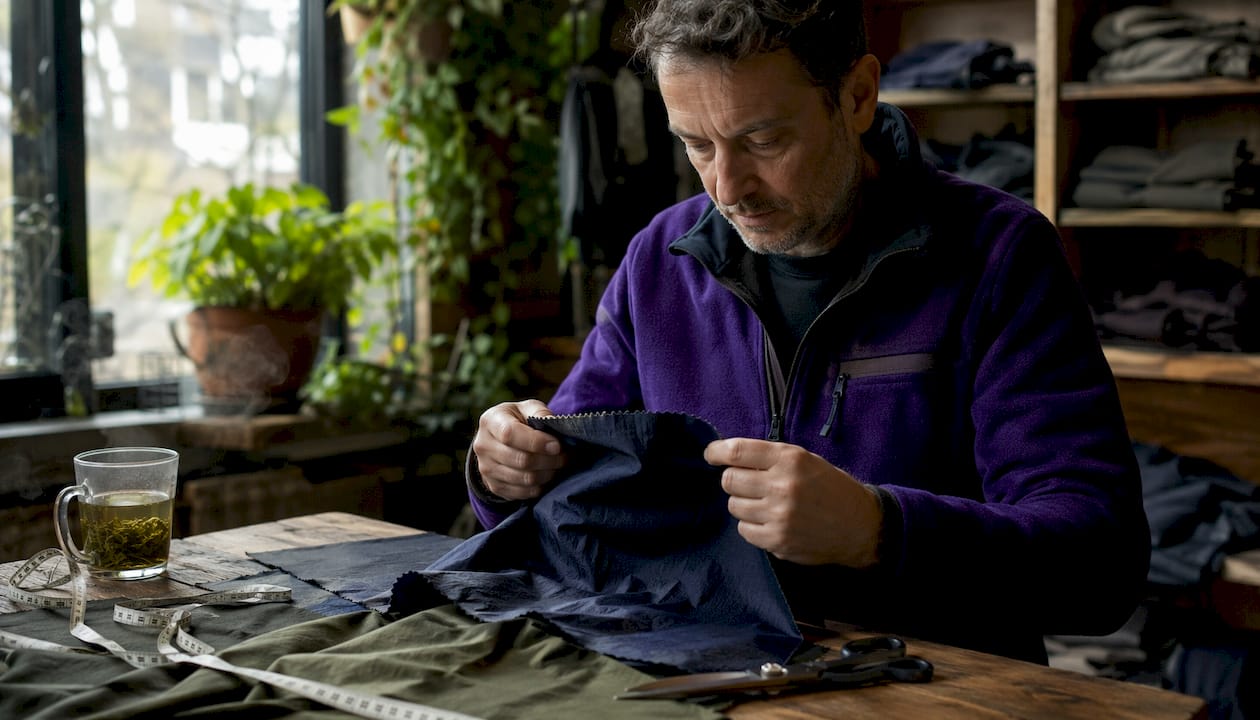
A light fleece or merino-blend hoodie in a neutral color (charcoal, navy, deep olive) pairs with almost any outer shell and doesn’t look out of place at a coffee shop. Thin down vests work well for low-intensity sessions where you want core warmth without restricting arm movement. Low-profile zips and minimal branding keep the silhouette clean under business-casual outerwear.
Outer shells
Windproof and water-resistant outer layers with breathable membranes are worth the investment. Look for hood and hem adjustments, a matte finish, and minimal logos. A trim athletic cut layers cleanly over a midlayer without looking bulky.
Bottoms
Thermal running tights with windproof front panels handle most winter conditions. Ankle zips let you pull them over shoes without removing footwear. For colder days, slim insulated training pants over a compression base layer add meaningful warmth without the bulk of traditional sweatpants.
Footwear
Insulated or waterproof trainers with enhanced traction are the right call for wet and icy surfaces. Slip-resistant soles matter on black ice. Reflective accents on the heel or toe box help with visibility during early-morning or evening sessions. For trail-adjacent routes, a waterproof upper with an all-terrain outsole covers both grip and weather protection.
- Merino or synthetic base layer (no cotton)
- Light fleece or merino-blend midlayer in neutral tones
- Windproof, breathable outer shell with hood
- Thermal tights or slim insulated training pants
- Waterproof/insulated trainers with traction soles
- Reflective accents for low-light visibility
The Moreciandco Complesso Collection includes premium base-layer-adjacent pieces built from bamboo-cotton blends. They’re refined enough to wear to a meeting and technical enough to handle a moderate training session, which is exactly the crossover most men’s wardrobes are missing.
How do you adjust layers by temperature and intensity?
Two inputs drive every layering decision: air temperature and workout intensity. Get both right and you stay comfortable from warm-up to cool-down.
At around 40°F: A thermal long-sleeve base layer plus mid-weight tights is usually sufficient for moderate-intensity sessions. Add a light midlayer if you’re running slower or stopping frequently.
Below 30°F: Add a heavier thermal base, a windproof outer, and full winter accessories. At this temperature, exposed skin loses heat quickly and wind chill compounds the effect.
Intensity adjustment: For high-intensity sessions, dress as if it’s warmer than the actual air temperature. Your body generates significant heat under anaerobic load, and overdressing leads to heavy sweating that soaks your base layer. For low-intensity activities like walking or easy jogging, keep the full insulation stack and prioritize a windproof shell.
The simplest verification: do a 5–10 minute warm-up. If you’re sweating heavily, remove the midlayer. If you’re still cold at rest after ten minutes, add one. That feedback loop is more reliable than any chart. For more on managing intensity-specific fabric choices, Moreciandco’s guide on high-intensity workout apparel breaks down the key differences.
Which accessories do you actually need for winter training?
Extremities cool first. The body prioritizes core temperature, so fingers, toes, and the face lose heat faster than your torso does. Protecting extremities with moisture-wicking, insulating, and wind-resistant accessories is the highest-return investment in your winter training kit.
- Merino or moisture-wicking beanie: Covers ears, stays put during movement, and doesn’t bulk under a hood — check out GfaceGear’s accessory options for inspiration
- Wind-resistant touchscreen gloves: Lets you manage your phone without removing them; brushed interior adds warmth
- Neck gaiter or buff: Protects the throat and lower face; doubles as a thin balaclava when pulled up
- Thermal socks (merino blends): Crew height minimum; merino regulates temperature and resists odor better than synthetic-only options
- Compact clip-on light or reflective vest: For pre-dawn or post-dusk sessions, visibility accessories are safety equipment, not optional extras
For extreme cold below 20°F, a full balaclava replaces the beanie and gaiter combination.
Pro Tip: Stick to fine-gauge merino beanies in charcoal, black, or deep navy. They pair with a wool overcoat as naturally as they pair with a running shell. The Moreciandco Cappellino Baseball Hat covers the low-profile headwear gap for milder days and post-training transitions.
How do you choose the right fit and fabric when buying?
Prioritize performance fit and refined fabric finishes. A snug base layer, a slightly roomier midlayer for insulation, and a trim outer shell is the correct silhouette stack. Sleeve length matters: base layers should reach the wrist and stay tucked; midlayers should cover the hip.
For fabric and construction, look for merino blends, bonded wind panels, low-profile seam-work, breathable membranes, and reinforced high-wear areas at the shoulder and elbow. The three pieces worth spending on are a quality merino base layer, a breathable water-repellent shell, and one premium pair of thermal tights. Everything else can be mid-tier. Moreciandco’s guide on how to choose performance workout gear walks through the full feature checklist if you want a deeper breakdown.
Buy pieces that machine-wash well. Merino tolerates gentle cold-water cycles; shells need reproofing when water stops beading on the surface. Avoid anything that requires dry cleaning for regular training use.
Quick care rules for technical winter gear
Follow fabric-specific care and your gear will perform for years. Ignore it and a $200 shell loses its water repellency after three washes.
- Merino and synthetics: Cold wash, gentle cycle, no fabric softener (softener clogs moisture-wicking fibers)
- Water-repellent shells: Reproof with a spray-on or wash-in DWR treatment when water stops beading; tumble dry on low to reactivate the finish
- Drying: Air-dry merino flat or on low heat; never wring it out
- Storage: Store shells uncompressed to preserve membrane performance and loft
One rule that applies to every layer: never use cotton as a base layer. Cotton retains moisture and loses insulating value when wet, which increases hypothermia risk during prolonged cold exposure.
Key Takeaways
The three-layer system (moisture-wicking base, insulating midlayer, windproof shell) is the organizing principle of every effective winter training kit.
| Point | Details |
|---|---|
| Three-layer system | Base wicks, midlayer insulates, shell blocks wind and precipitation — skip one and the system fails. |
| Temperature thresholds | At ~40°F use thermal base plus mid-weight tights; below ~30°F add heavier insulation and full accessories. |
| Intensity adjustment | Dress as if it’s 15–20°F warmer for high-intensity sessions; keep full insulation for low-intensity work. |
| Extremity protection | Head, hands, and feet cool fastest — merino beanie, wind-resistant gloves, thermal socks, and a neck gaiter are non-negotiable. |
| Moreciandco | The Complesso Collection and Cappellino Baseball Hat cover the crossover gap between training and refined everyday wear. |
The case for gear that earns its keep off the track too
Most men’s winter training gear fails a simple test: you wouldn’t wear it anywhere except the gym. That’s a waste of money and closet space. The pieces worth buying are the ones that look as good at a Saturday brunch as they do at mile four of a cold morning run.
The conventional wisdom says performance and style are a trade-off. They’re not, when you choose the right fabrics. Fine-gauge merino, bamboo-cotton blends, and muted technical finishes perform under load and read as intentional, considered dressing off-duty. The silhouette matters too: a slim athletic fit in charcoal or navy doesn’t announce itself as gym wear. It just looks like a man who dresses well.
Where most men go wrong is buying cheap base layers and expensive shells. Invert that logic. The base layer is what touches your skin for the entire session. It drives comfort, moisture management, and odor control. Spend there first. The shell can be mid-tier as long as it’s windproof and reproofable.
Moreciandco pieces that work from training to everyday wear
If you want a small, high-quality set of pieces that covers winter training and looks refined the rest of the day, Moreciandco is worth your attention. The Complesso Collection brings bamboo-cotton construction and a clean, understated silhouette to pieces that function as elevated base-layer-adjacent options. Wear the Complesso Tee under a merino midlayer for a morning session, then pair it with tailored trousers for the afternoon.
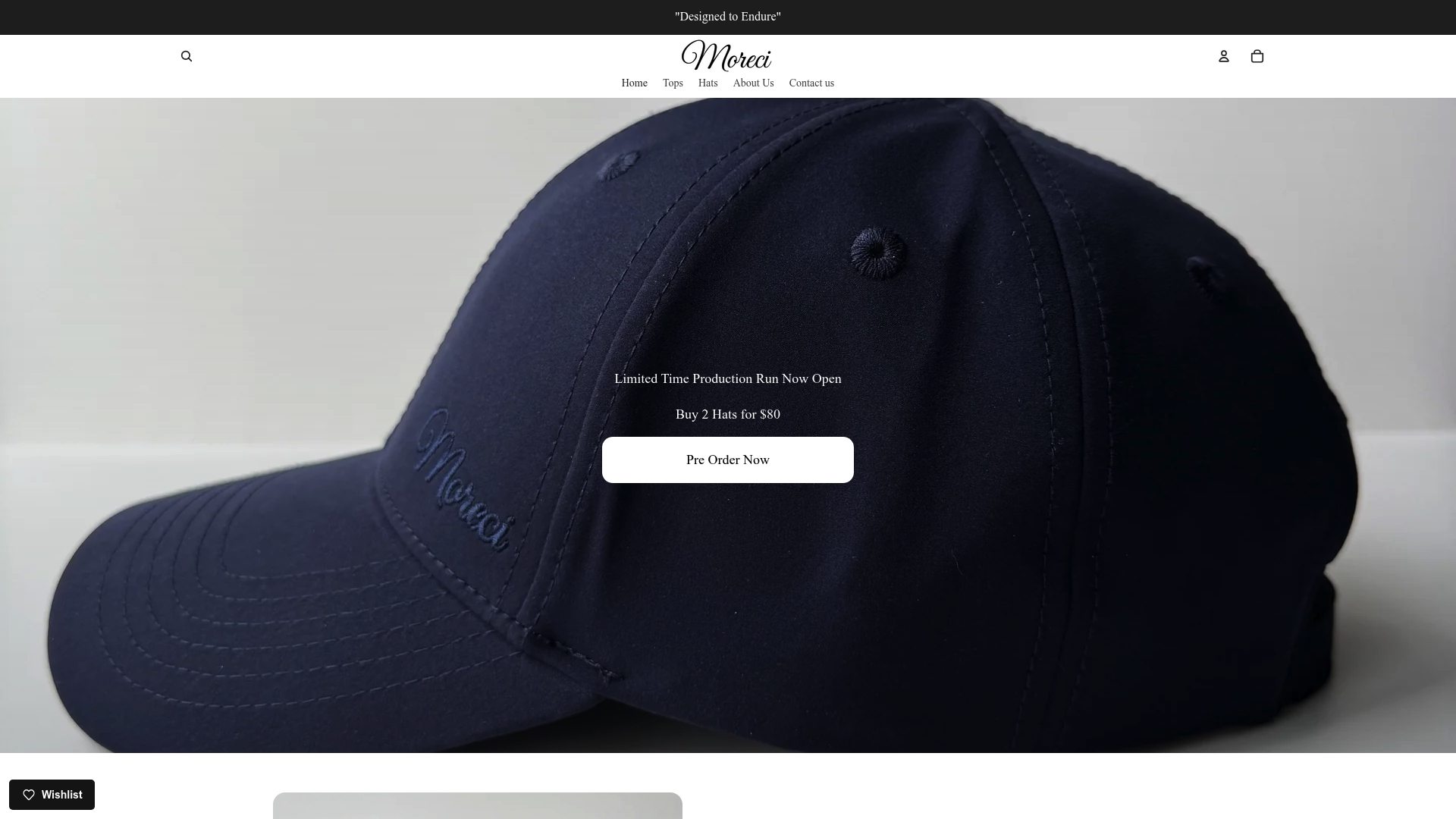
The Cappellino Baseball Hat fills the headwear gap for milder winter days and post-training transitions: low-profile, unbranded, and built with the kind of fit that actually stays put. No adjustable plastic snap. No oversized logo. Just a hat that works.
Moreciandco’s philosophy is straightforward: you should get exactly what you pay for, in quality and in experience. Browse the full range at moreciandco.com and start with the Complesso Tee as your first premium crossover piece.